Miami on a Budget: How to Visit the City Without Overspending

Miami can appear expensive at first, especially once accommodation, transport, and food in tourist areas start adding up. Yet with the right neighborhood choice, smart transport decisions, and a focus on beaches, parks, and affordable local food, visiting Miami on a budget is far more realistic than many travelers expect.
Miami Budget Snapshot
Typical daily spending in Miami
Budget travelers usually spend about $95 to $150 per day depending on accommodation and transport choices. A mid range trip often reaches $170 to $260 per day once accommodation, food, transport, and a few attractions are included.
Expenses that surprise visitors most
Beach accommodation and transportation usually increase budgets the most. Restaurant bills are also higher than expected because taxes and tips are added to the menu price.
Neighborhoods with better budget value
Areas such as Downtown Miami, Little Havana, North Beach, and the airport district often offer better value while still keeping reasonable access to the city.
How most travelers move around the city
Public transportation combined with occasional rideshare trips is often the most affordable option. The Metrorail, Metromover, and city bus network connect several important districts, while rideshare services help reach beaches and neighborhoods that are less convenient by transit.
Places where affordable food is easy to find
Budget friendly meals are easiest to find in Cuban cafés, food halls, small Latin diners, taco spots, and neighborhood bakeries rather than restaurants located directly along South Beach or major tourist streets.
Low cost experiences worth adding
Some of Miami’s most memorable experiences cost little or nothing. South Beach, the Art Deco Historic District, Wynwood street art, and waterfront parks offer plenty to explore without paying entrance fees.
A common mistake that increases travel costs
One of the most frequent mistakes is renting a car without considering parking prices. Parking near South Beach and other busy districts can quickly add noticeable daily expenses.
What a Budget Trip to Miami Actually Costs
The cost of visiting Miami depends largely on where you stay and how you move around the city, which is why understanding the basics of budget travel Miami helps travelers plan spending more realistically. Staying outside beach districts and relying on public transport helps keep spending lower.
For a budget focused trip, many travelers spend around $95 to $150 per day. This usually covers a hostel bed or budget hotel, meals from cafés or food halls, public transport or occasional rideshares, and mostly free attractions such as beaches and parks.

A mid range travel style typically reaches about $170 to $260 per day. In this case, visitors often stay in budget hotels or private apartments, combine public transport with rideshare trips, eat in casual restaurants, and occasionally pay for museums, tours, or organized activities.
One important detail many travelers notice in the United States is that the final price is rarely the same as the price shown on menus or price tags. Sales tax is added at checkout, and restaurants normally expect a tip of around 15 to 20 percent for service. Because of this, meals and services often end up costing more than the listed price.
Accommodation can also include additional charges such as resort fees, cleaning fees, or parking costs, especially in hotels and short term rentals. Checking these extra fees before booking helps avoid unexpected increases in the total travel budget.
Budget Friendly Areas to Stay in Miami
Accommodation is often the biggest expense in Miami. Prices vary depending on distance from the beach and transport access, so choosing well connected neighborhoods helps reduce overall travel costs.
Little Havana
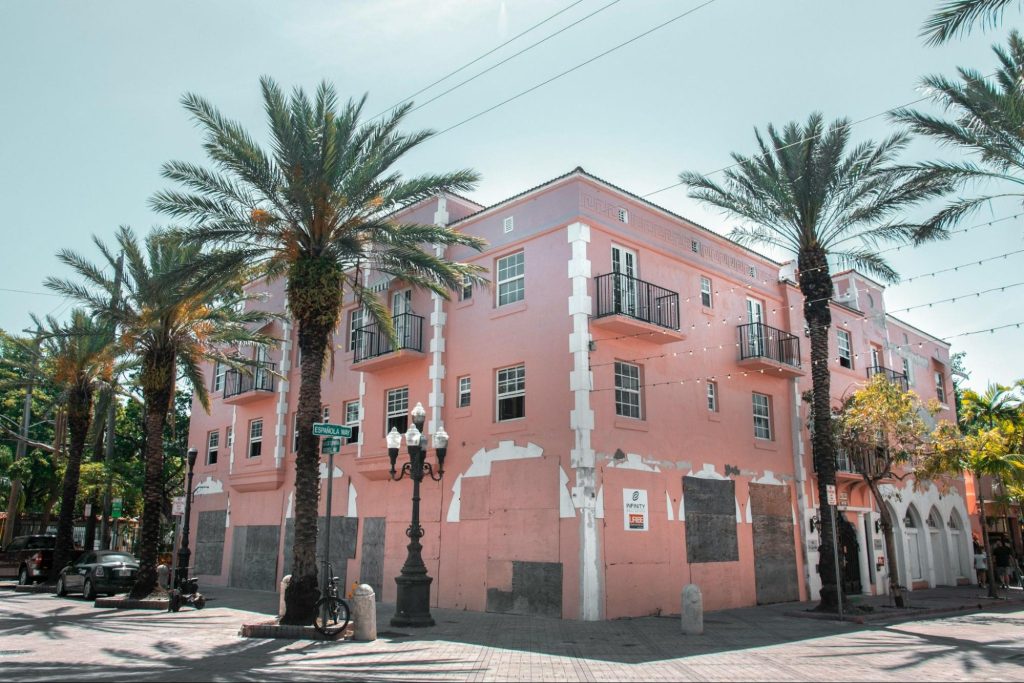
Who it suits
- Travelers looking for lower prices than Miami Beach
- Visitors interested in local culture, Cuban cafés, and street life
- Budget travelers comfortable staying slightly outside tourist zones
Transport connections
- Several Metrobus routes connect the area with Downtown Miami
- Rideshare trips to South Beach usually take about 15 to 20 minutes
Safety
- Busy around the main Calle Ocho area during the day
- Staying near main streets and well reviewed accommodation is recommended
Time to main areas
- About 10 minutes to Downtown Miami
- Around 20 minutes to South Beach depending on traffic
Typical accommodation types
- Guesthouses
- Budget hotels
- Apartment rentals
- Private rooms
Local booking tip
Prices here are usually lower than in Miami Beach.
Downtown Miami
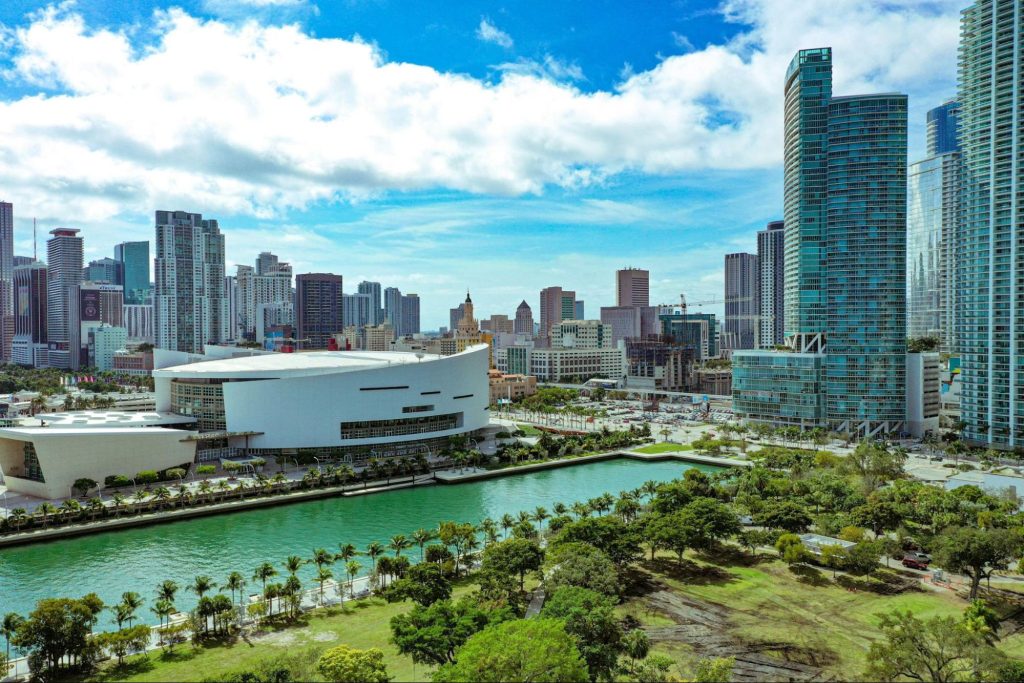
Who it suits
- Travelers planning to rely on public transportation
- Visitors interested in museums, markets, and waterfront parks
- Budget travelers who want central location without beach prices
Transport connections
- One of the best connected parts of the city
- Metrorail, Metromover, and bus routes operate here
- Direct rail connection to Miami International Airport
Safety
- Active business district during the day
- Busier streets near attractions are usually more comfortable for visitors
Time to main areas
- About 15 to 20 minutes to Miami Beach by car or rideshare
- Around 15 minutes to the airport by train
Typical accommodation types
- Hostels
- Budget hotels
- Serviced apartments
- Private rentals
Local booking tip
Some business hotels lower prices during weekends when corporate travel decreases.
North Beach
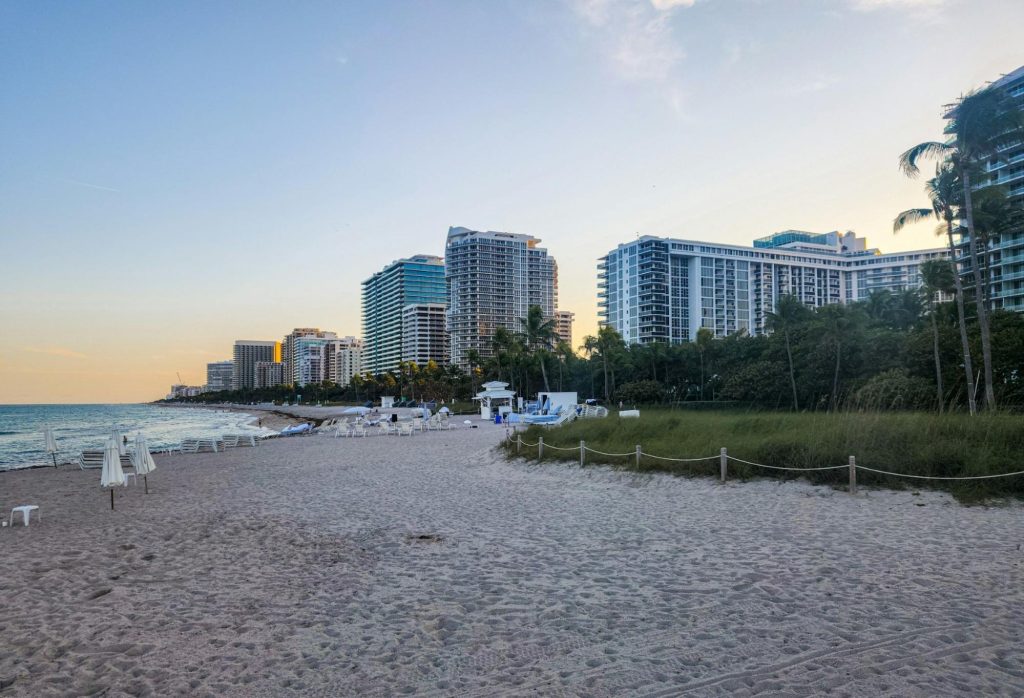
Who it suits
- Travelers who want beach access without South Beach prices
- Visitors looking for a quieter atmosphere
Transport connections
- Bus routes connect the area with South Beach and Downtown
- Rideshare services are commonly used
Safety
- More residential and calmer than South Beach
- Beach areas stay busy during the day
Time to main areas
- Around 15 minutes to South Beach
- About 25 to 30 minutes to Downtown Miami
Typical accommodation types
- Small beachfront hotels
- Motels
- Apartment rentals
Local booking tip
Hotels a few blocks from the beach are usually cheaper.
Airport Area

Who it suits
- Travelers arriving late or leaving early
- Budget travelers looking for the lowest hotel prices
Transport connections
- Direct access to the Metrorail system
- Easy connection to Downtown Miami
- Many hotels provide airport shuttles
Safety
- Mainly commercial area focused on travelers
- Quiet and practical for short stays
Time to main areas
- Around 15 minutes to Downtown Miami by train
- About 20 to 25 minutes to Miami Beach by car
Typical accommodation types
- Airport hotels
- Budget chain hotels
- Motels
Local booking tip
Some airport hotels include free shuttle service and parking, which can help reduce travel costs.
Getting Around Miami Without Overspending
Transportation can quickly become one of the largest daily expenses in Miami because distances between neighborhoods are longer than many visitors expect. Planning how to move around the city before arriving helps avoid unnecessary rideshare costs and expensive parking.
Do You Really Need a Car in Miami
A car is not always necessary, especially for shorter trips focused on central neighborhoods. Many travelers can comfortably explore areas like Downtown Miami, Brickell, Wynwood, Little Havana, and parts of Miami Beach using public transportation combined with occasional rideshare trips.
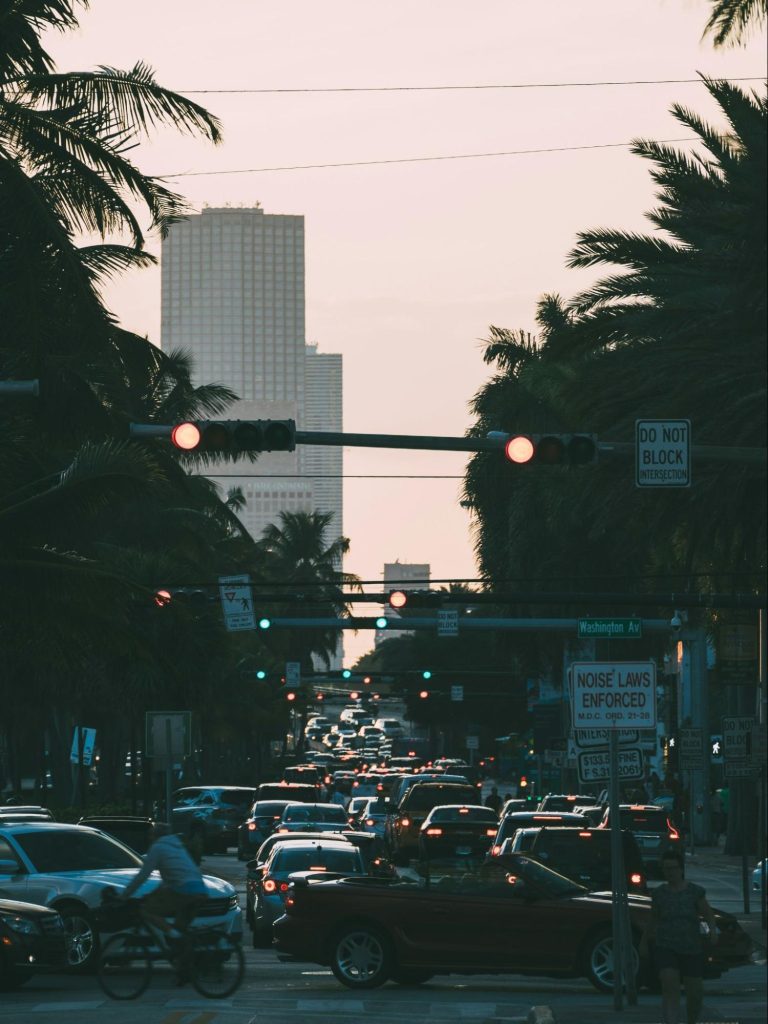
However, renting a car becomes more useful if you plan to visit several beaches outside the main tourist zones or explore neighborhoods that are farther from rail connections. A car is mainly useful for trips outside the city.
The main downside of renting a car in Miami is the additional cost. Parking in Miami Beach and other popular districts often requires paid garages or meters, and some hotels charge daily parking fees. Traffic congestion during busy hours can also make short distances take longer than expected.
Public Transportation in Miami
Miami’s public transportation network includes the Metrorail, Metromover, and Metrobus systems. While the rail network is not as extensive as in some large cities, it still connects several important areas of Miami.
The Metrorail is particularly useful for reaching Downtown Miami, Brickell, and Miami International Airport. The Metromover is a free automated train system that circulates around Downtown and Brickell, making it easy to move between attractions in the city center without additional cost.
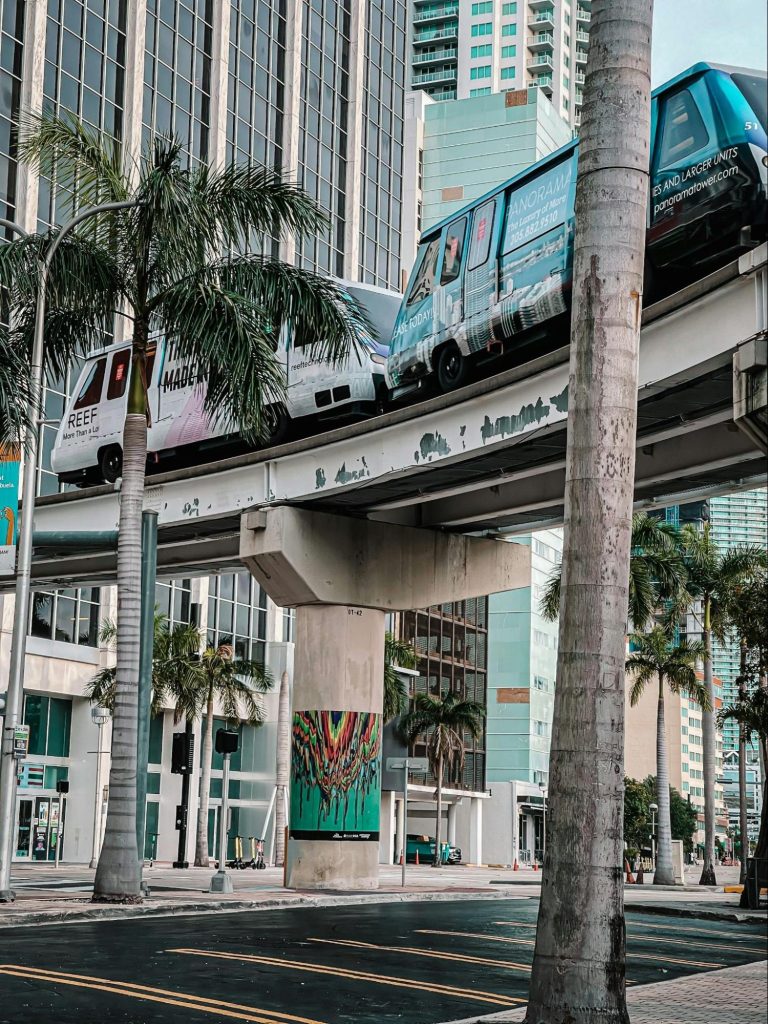
Buses help connect neighborhoods that are not served directly by rail lines. For travelers staying near transit corridors, public transportation can significantly reduce transportation spending.
When Rideshare Makes More Sense
Rideshare services such as Uber and Lyft are widely used in Miami and often help cover the distance between transit stations and final destinations. They are especially helpful late in the evening or when traveling to areas that are less convenient to reach by bus or rail.
However, relying entirely on rideshare for every trip can quickly increase the travel budget. Using public transport for longer routes and rideshare only for short segments is usually a more affordable approach.
Airport to City on a Budget
Getting from Miami International Airport to the city center can be done without spending much money if you avoid direct airport taxis or rideshares.
The Metrorail Orange Line connects the airport with Downtown Miami and Brickell, making it one of the easiest and cheapest ways to reach central parts of the city. Some travelers also choose airport buses or hotel shuttle services depending on where they stay.
Using rail or bus connections first and then taking a short rideshare trip to the final destination is often the most budget friendly way to travel from the airport into Miami.
Eating Well in Miami Without Overspending
Food prices in Miami can vary widely depending on where you eat. Restaurants along South Beach or inside major tourist zones often charge noticeably higher prices, while neighborhood cafés and casual food spots offer much better value. Knowing where locals eat helps keep food spending lower.
Cuban Cafés and Local Bakeries
One of the easiest ways to eat well on a budget in Miami is visiting Cuban cafés and neighborhood bakeries. These cafés are common in Little Havana and nearby districts. Many serve affordable meals like Cuban sandwiches, empanadas, or rice and beans, which are filling and often cost much less than restaurant dishes in tourist districts.
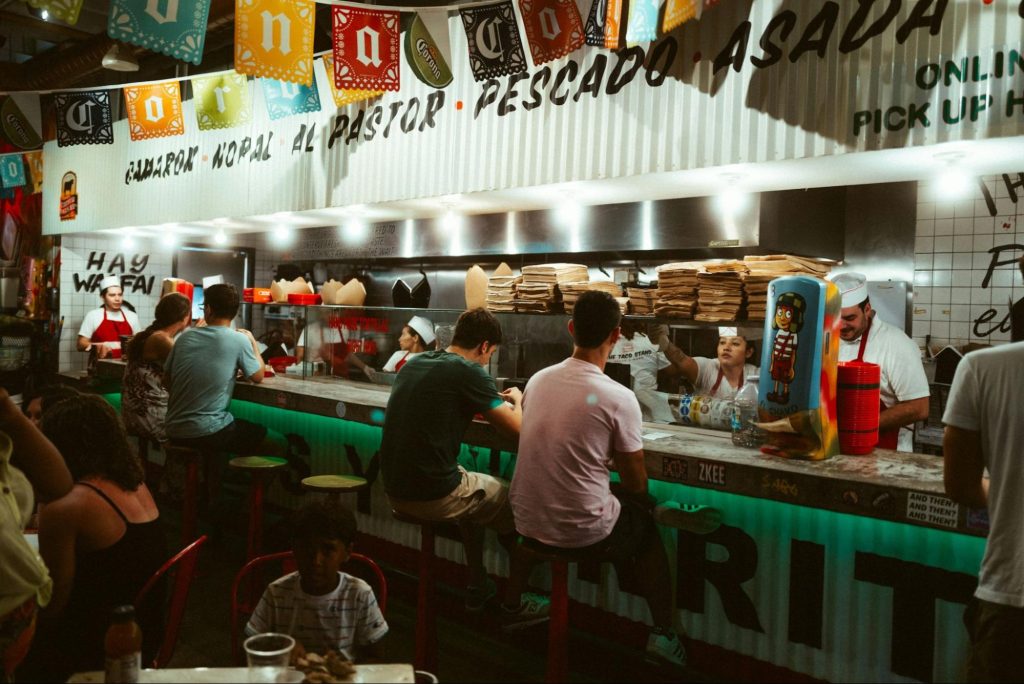
Breakfast and coffee are also usually inexpensive in these cafés. A simple breakfast with Cuban coffee and a pastry can be a very affordable way to start the day while experiencing local culture.
Food Halls and Markets
Food halls and public markets are another reliable option for budget travelers. These markets bring several food vendors together, making affordable meals easy to find.
Places like Time Out Market in Miami Beach or various local markets allow visitors to try different types of food without committing to expensive restaurant meals. Casual seating and quick service also make these locations convenient between sightseeing stops.
Casual Diners and Latin Restaurants
Small diners and casual Latin restaurants across Miami often offer generous portions at reasonable prices. Many neighborhoods outside the beach districts have family run restaurants serving Cuban, Colombian, Venezuelan, or Caribbean dishes that are both flavorful and affordable.
Lunch menus are often cheaper than dinner options, so eating a larger meal earlier in the day can help reduce overall food spending.
Happy Hour and Daily Specials
Many restaurants and bars across Miami offer happy hour deals during the late afternoon. These specials often include discounted appetizers or drinks, which makes them one of the most affordable ways to try restaurant food in the city.
Happy hour is especially common in areas with active nightlife, including Brickell and Downtown Miami.
Small Budget Tips for Eating Out
Even affordable meals in Miami usually include extra costs beyond the menu price. Sales tax is added to restaurant bills, and tipping for service is expected in most places.
Tips typically range from about 15 to 20 percent of the bill, which means the final price of a meal will usually be higher than what appears on the menu. Keeping this in mind helps travelers plan daily food expenses more realistically.
Exploring Miami Without Spending Much
Miami offers many activities that cost little or nothing, which makes it easier to balance the travel budget. Some of the city’s most memorable experiences come from beaches, outdoor areas, and neighborhoods that can be explored on foot. Mixing free attractions with a few paid experiences helps keep the overall trip affordable while still covering the highlights.
South Beach and Ocean Drive
Walking along South Beach is one of the easiest free experiences in Miami. The wide beach, palm lined promenade, and lively atmosphere create one of the most recognizable scenes in the city. Ocean Drive nearby is also famous for its Art Deco architecture and historic hotels.
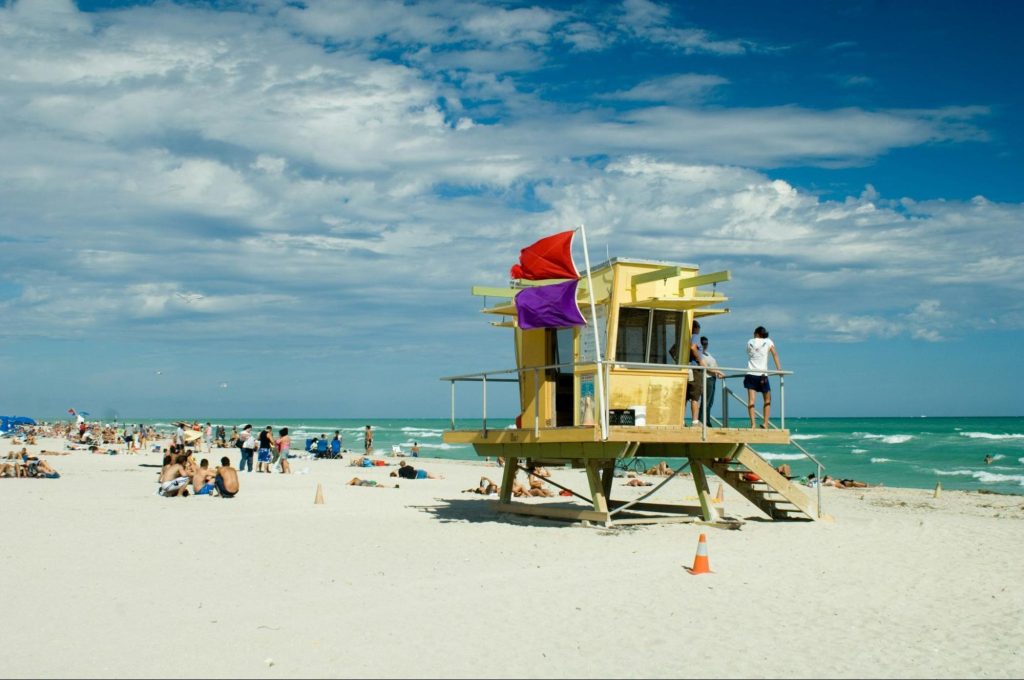
Art Deco Historic District
The Art Deco Historic District in Miami Beach contains hundreds of preserved buildings from the 1920s and 1930s. Visitors can walk the streets and see the pastel architecture that made Miami Beach famous.
Wynwood Walls and Street Art
Wynwood is one of Miami’s most creative neighborhoods and is known for its large murals and street art. Walking through the district allows visitors to see dozens of colorful artworks created by international artists.
While entry to the Wynwood Walls outdoor gallery requires a ticket, the surrounding streets are filled with murals that can be viewed freely.
Bayfront Park
Bayfront Park offers waterfront views and green space in Downtown Miami. The park also hosts occasional public events and performances.
South Pointe Park
South Pointe Park sits at the southern end of Miami Beach and provides one of the best coastal viewpoints in the city. Visitors can walk along the pier, watch cruise ships entering the harbor, and enjoy views of the Atlantic Ocean.
Miami Beach Boardwalk
The Miami Beach Boardwalk stretches for several miles along the coast and connects multiple beaches and parks. Walking or cycling along this path is one of the most scenic free activities in the city.
Little Havana Cultural Walk
Exploring Little Havana is a great way to experience Miami’s Cuban heritage. Visitors can walk along Calle Ocho, see local art, listen to live music, and watch domino games played by residents in public parks.
Vizcaya Museum Gardens (Garden Areas)
The Vizcaya Museum and Gardens is one of Miami’s most famous historic estates. While the museum requires paid entry, the surrounding gardens and waterfront views make the area a memorable place to visit.

Pérez Art Museum Miami (Free Days)
The Pérez Art Museum Miami offers free admission on certain community days. Even outside the museum, the waterfront terrace and nearby parks are pleasant places to explore.
Miami Beach Sunset Views
Watching the sunset from Miami Beach is one of the most memorable experiences in the city and costs nothing. The view of the ocean and skyline creates a perfect end to the day.
Bayside Marketplace Waterfront Walk
Bayside Marketplace in Downtown Miami offers waterfront promenades, street performers, and views of Biscayne Bay. Visitors can walk around the marina area even without shopping or dining.
Wynwood Breweries and Art Walk
The Wynwood district frequently hosts art walks and public events that bring together local artists, food vendors, and musicians. Many of these events can be explored without paying entrance fees.
Miami Beach Botanical Garden
This small botanical garden near the Miami Beach Convention Center provides a peaceful space filled with tropical plants and shaded walking paths.
Historic Española Way
Española Way in Miami Beach is a historic pedestrian street with Mediterranean style architecture. Walking through the area provides a different atmosphere compared with the surrounding modern districts.
Public Parks Along Biscayne Bay
Several parks along Biscayne Bay offer scenic views of the water and the city skyline. These quiet spots provide relaxing places to walk, rest, or watch boats passing through the bay.
Budget Itineraries for Miami
Because Miami is spread across several distinct neighborhoods, planning each day around nearby areas helps reduce transportation costs. Grouping attractions by district makes it easier to explore the city without relying heavily on rideshare trips or long transfers.
1 Day in Miami on a Budget
A short visit works best when focusing on Miami Beach.
Start the morning at South Beach, where you can walk along the shoreline and enjoy one of the city’s most famous public beaches. Early mornings are usually quieter.
Later, walk through the Art Deco Historic District along Ocean Drive and nearby streets. The colorful 1930s architecture can be explored on foot.
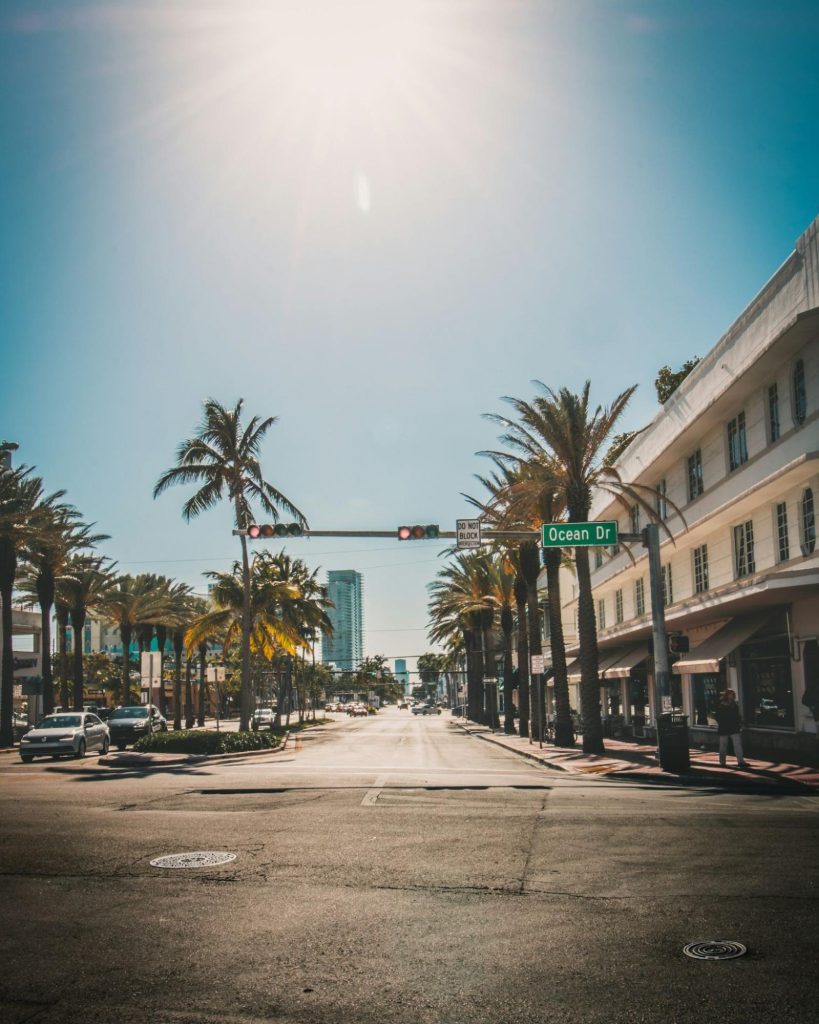
In the afternoon, continue toward South Pointe Park at the southern end of Miami Beach. The park offers ocean views, walking paths, and a pier where visitors often watch ships entering the port.
Finish the day along the Miami Beach Boardwalk, which stretches along the coast and provides an easy scenic walk before sunset.
2 Days in Miami on a Budget
The second day works well when focused on Miami’s art and cultural districts.
Start the morning in Wynwood, one of the city’s most creative neighborhoods. Streets here are filled with large murals and street art created by international artists. Even without entering the Wynwood Walls gallery, the surrounding blocks provide plenty to explore for free.

Afterward, head toward the nearby Design District, known for modern architecture, public art installations, and open pedestrian streets. Walking through the area offers a completely different atmosphere compared with the beach districts.
In the afternoon, visit the Pérez Art Museum Miami waterfront area. Even without entering the museum, the outdoor terrace and nearby green spaces offer views across Biscayne Bay.
3 Days in Miami on a Budget
A third day allows visitors to experience Miami’s cultural heritage and downtown waterfront.
Start the day in Little Havana, one of the city’s most culturally distinctive neighborhoods. Walking along Calle Ocho reveals Cuban cafés, street art, music venues, and Domino Park where locals gather to play dominoes.
Later continue to Bayfront Park, located along the waterfront in Downtown Miami. The park offers open green space, views of Biscayne Bay, and a relaxing place to take a break from sightseeing.
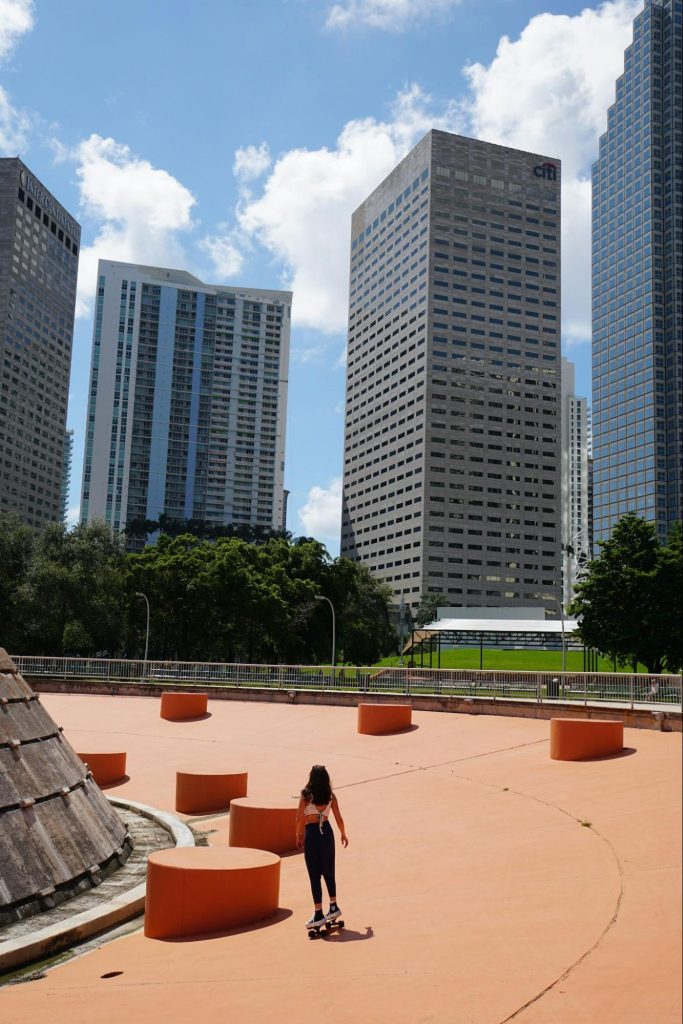
Finish the day exploring Bayside Marketplace and the marina area, where visitors can walk along the waterfront and watch boats in the harbor while enjoying views of the Miami skyline.
Planning each day around nearby neighborhoods helps reduce transportation costs and keeps the overall trip easier to manage while still covering several of Miami’s most interesting areas.
Common Budget Mistakes in Miami
Even budget travelers sometimes spend more than expected because Miami has several easy to miss cost traps. Beach districts, parking rules, and transportation across the bay can quickly increase daily expenses if they are not considered in advance.
Booking hotels directly on South Beach
Many visitors automatically book accommodation on South Beach because it is the most famous part of Miami. However, hotels along Ocean Drive and nearby streets are usually among the most expensive in the city and often include additional resort fees.
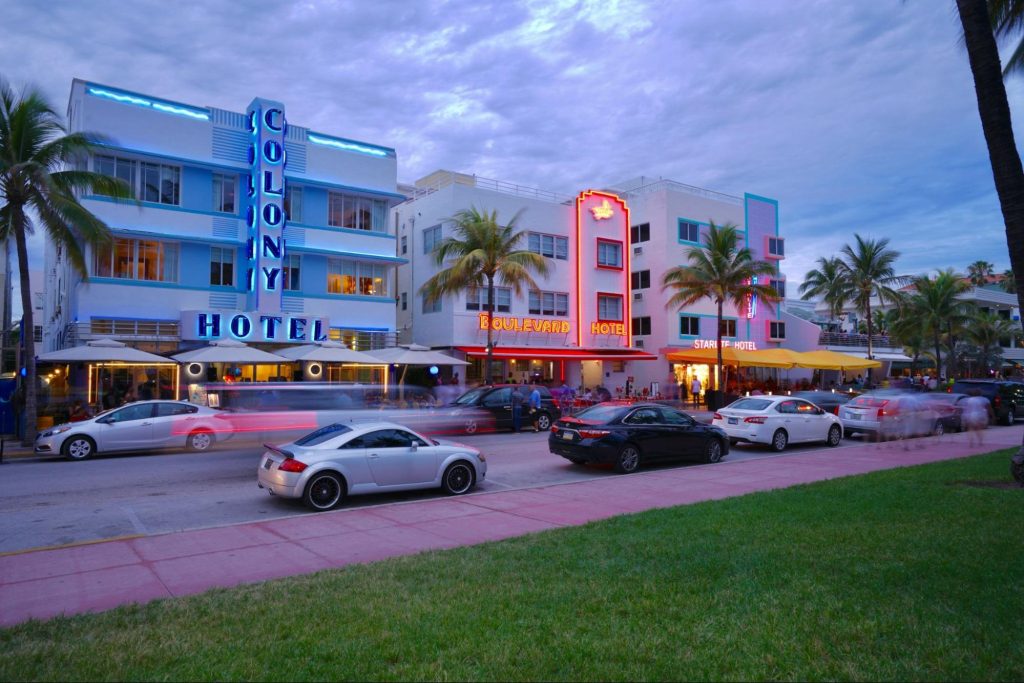
Staying in areas such as North Beach, Downtown Miami, or Little Havana can reduce accommodation costs while still keeping reasonable access to Miami Beach.
Underestimating resort fees in Miami Beach hotels
Many hotels in Miami Beach charge daily resort fees that are added after the base room price. These fees may include beach chairs, Wi-Fi, or gym access, but they can increase the nightly cost noticeably.
Travelers focusing on budget travel in Miami should always check the full final price before booking.
Renting a car while staying in Miami Beach
Parking in Miami Beach is limited and often expensive. Hotels frequently charge daily parking fees, and public parking garages near the beach can also be costly.
For visitors staying mainly around South Beach, walking, buses, or short rideshare trips are often cheaper than renting a car.
Using rideshare across the bay too often
Travel between Miami Beach and mainland neighborhoods such as Downtown or Wynwood requires crossing one of the causeways. During busy hours, rideshare trips across these routes can become expensive because of traffic.
Using public transport for longer routes and rideshare only for shorter segments usually keeps daily transport costs lower.
Eating in restaurants directly on Ocean Drive
Ocean Drive is famous for its Art Deco hotels and lively atmosphere, but restaurants there are also among the most expensive in Miami. Many menus include higher prices aimed at tourists.
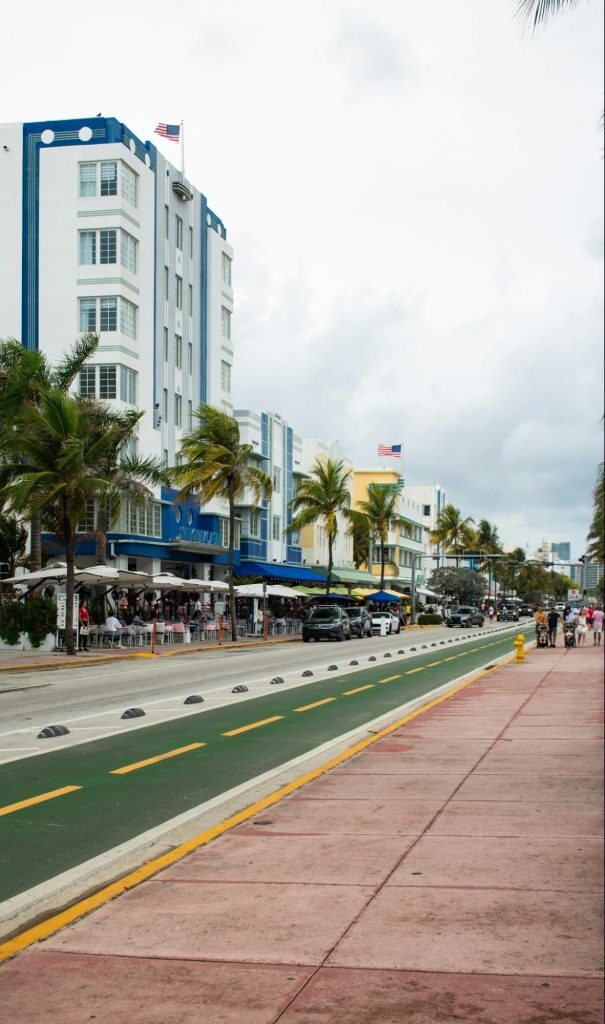
Walking a few blocks away from the main beachfront strip often leads to restaurants with much more reasonable prices.
Forgetting that museum parking can cost more than entry
Some attractions in Miami offer free or low-cost admission but still charge for parking. This is common at places such as museums or waterfront attractions.
Checking public transport options or nearby parking prices before visiting can help avoid unexpected expenses.
Staying far from the Metrorail line
Some cheaper accommodations are located far from the city’s main rail line. When this happens, travelers often rely entirely on Uber or Lyft to move around the city.
Choosing accommodation near Metrorail stations or major bus routes can significantly reduce transportation costs during the trip.
Taking direct rideshare from Miami International Airport
Direct rideshare trips from Miami International Airport to Miami Beach can be expensive because of airport fees and traffic.
Using the Metrorail from the airport to Downtown or Brickell first and then taking a short rideshare trip often reduces the total transportation cost.
Making Miami Work on a Budget
Miami can look expensive at first, especially when beach hotels, nightlife, and oceanfront restaurants dominate travel guides. However, many of the city’s best experiences cost little or nothing if you focus on the right neighborhoods and plan your days carefully.
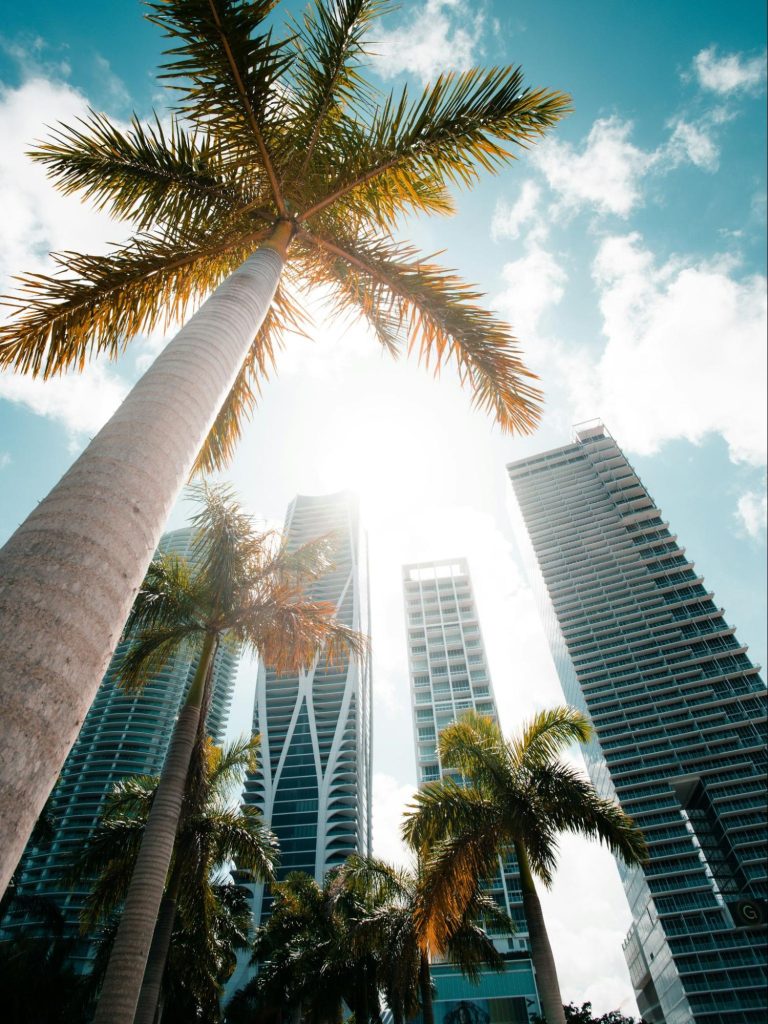
Keeping the trip affordable comes down to a few practical choices. Staying outside Miami Beach and using public transport can significantly reduce costs. Exploring neighborhoods such as Wynwood or Little Havana, walking along the beaches, and visiting parks or street art districts also provide memorable experiences without requiring large entry fees.
With realistic expectations about distances and careful planning around neighborhoods, visiting Miami on a budget becomes much easier. Focusing on free coastal attractions, local food spots, and well connected areas allows travelers to experience the city comfortably while keeping daily spending under control.