Where to Stay in Porto: Best Areas, Practical Tips & Walking Routes for First-Time Visitors
If you are visiting Porto for the first time, one of the biggest questions you will face is simple: where should you stay to make the most of your trip? You want to be able to walk to the main sights, reach the river in minutes, discover charming streets without constantly relying on public transport, and at the same time avoid overpaying just because you picked the “most central” hotel.
Figuring out where to stay in Porto first time can feel surprisingly overwhelming. The city may look compact on the map, but its hills, different neighborhoods, and distinct atmospheres can completely change your experience. Some areas are perfect for sightseeing and first-time exploration, while others are better suited for longer stays or returning travelers who already know the rhythm of the city.
Choosing the best place to stay in Porto for first timers is really about balance. You want character, convenience, and good value all at once. In this guide, I will walk you through the best area to stay in Porto for sightseeing, explain what makes each neighborhood unique, and help you decide which one matches your travel style.
Quick choice by travel style
- Best area for walking: Baixa (Ribeira & Sé) – perfect for first-time visitors – because you can reach Porto’s main sights, viewpoints, and the Douro riverfront on foot within minutes.
- Cafés and restaurants: Cedofeita – ideal for food lovers and couples – because it is full of independent coffee shops, wine bars, and creative restaurants, while still being close to the historic center.
- Quieter but close to the center: Vila Nova de Gaia – great for travelers who want iconic views without constant crowds – because you stay just across the river, near the port wine cellars, with easy access to central Porto.
- Budget-friendly and well connected: Bonfim – suitable for budget travelers and longer stays – because accommodation is often more affordable, and metro and train connections make it easy to explore the city.
A City Built on Hills and Character
Porto may look small on the map, but it is built on hills that slope down toward the Douro River, and that changes everything. Distances are short, yet streets can be steep and winding. The city feels compact, but each neighborhood has its own rhythm and character. For someone deciding where to stay in Porto first time, understanding this layout makes the choice much easier.
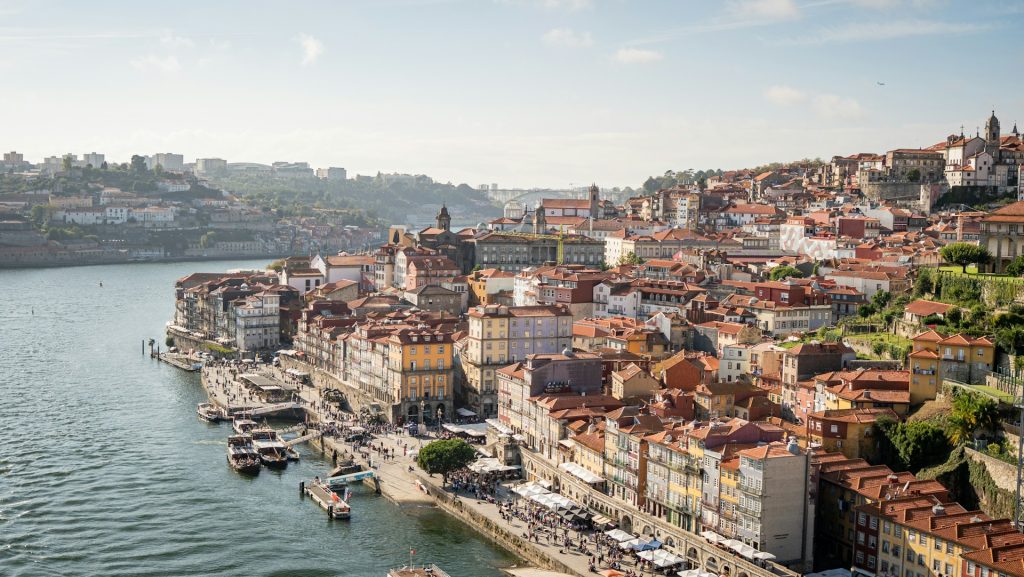
The historic heart of Porto is concentrated around Baixa, Ribeira, and Sé. This is where you will find São Bento Station, Porto Cathedral, Clérigos Tower, Livraria Lello, and the colorful houses along the riverfront. If your main goal is sightseeing, this is widely considered the best area to stay in Porto for sightseeing because most iconic landmarks are within walking distance.
Just outside the historic core are neighborhoods like Cedofeita and Bonfim. They are still central, but slightly calmer and often more affordable. Across the river, Vila Nova de Gaia offers a different perspective of the city, with panoramic views and famous port wine cellars.
Porto’s main train station, São Bento, is located right in the historic center, which makes central areas extremely convenient for arrivals. For long-distance trains, Campanhã Station is a short metro ride away. From the airport, Metro Line E connects directly to Trindade station in about 25–30 minutes, making it easy to reach central districts without a taxi.
If you are deciding where to stay in Porto for the first time, these are the best areas to consider.
Baixa (Including Ribeira & Sé)
Who it’s best for:
Couples, first-time visitors, short stays focused on sightseeing.
Pros
- Walking distance to major attractions
- Close to São Bento Station and metro
- Strong historic atmosphere
- Wide choice of restaurants and wine bars
- Feels lively and safe
Cons
- More expensive than outer districts
- Can be noisy at night
- Hilly streets and stairs
What’s nearby
Ribeira riverfront, Porto Cathedral, Clérigos Tower, Livraria Lello, Dom Luís I Bridge, São Bento Station.
Accommodation
Common options: boutique hotels, mid-range hotels, renovated apartments, guesthouses, some hostels.
Who it suits: Hotels are ideal for 1–3 night city breaks. Apartments work well for families or longer stays. Guesthouses offer charm. Hostels suit budget travelers.
What to check: Elevator availability, air conditioning in summer, street noise, parking access.
Best type of stay: A centrally located hotel or apartment within walking distance of Ribeira.
Cedofeita
Who it’s best for:
Couples, creative travelers, food lovers, those who prefer a slightly quieter base.
Pros
- Close to the center but less crowded
- Great cafés, wine bars, and local restaurants
- More relaxed, local atmosphere
- Good walking access to Baixa
- Generally calmer at night
Cons
- Not directly on the river
- Some uphill walking
- Fewer large hotels
What’s nearby
Rua de Cedofeita, Clérigos area, art galleries, Crystal Palace Gardens, Livraria Lello.
Accommodation
Common options: boutique guesthouses, apartments, small hotels.
Who it suits: Apartments are convenient for couples and longer stays. Small hotels suit weekend trips.
What to check: Distance to metro stations, building amenities, street lighting at night.
Best type of stay: A boutique guesthouse on a quiet side street within walking distance of Clérigos.
Bonfim
Who it’s best for:
Budget travelers, longer stays, digital nomads, travelers who want a local feel.
Pros
- More affordable accommodation
- Good metro and train connections
- Growing food scene
- Less touristy atmosphere
- Spacious apartments available
Cons
- Further from main sights
- Fewer classic postcard views
- Some areas feel less polished
What’s nearby
Campanhã Station, local cafés, small parks, traditional bakeries, metro lines to the center.
Accommodation
Common options: apartments, budget hotels, guesthouses.
Who it suits: Apartments are ideal for families or longer stays. Budget hotels are practical for cost-conscious travelers.
What to check: Exact walking time to metro, neighborhood vibe in reviews, parking options.
Best type of stay: A well-reviewed apartment close to a metro station for easy access to the center.
Vila Nova de Gaia
Who it’s best for:
Couples, wine lovers, travelers who want views and a calmer base.
Pros
- Stunning views of Porto skyline
- Close to port wine cellars
- Riverfront promenades
- Generally quieter at night
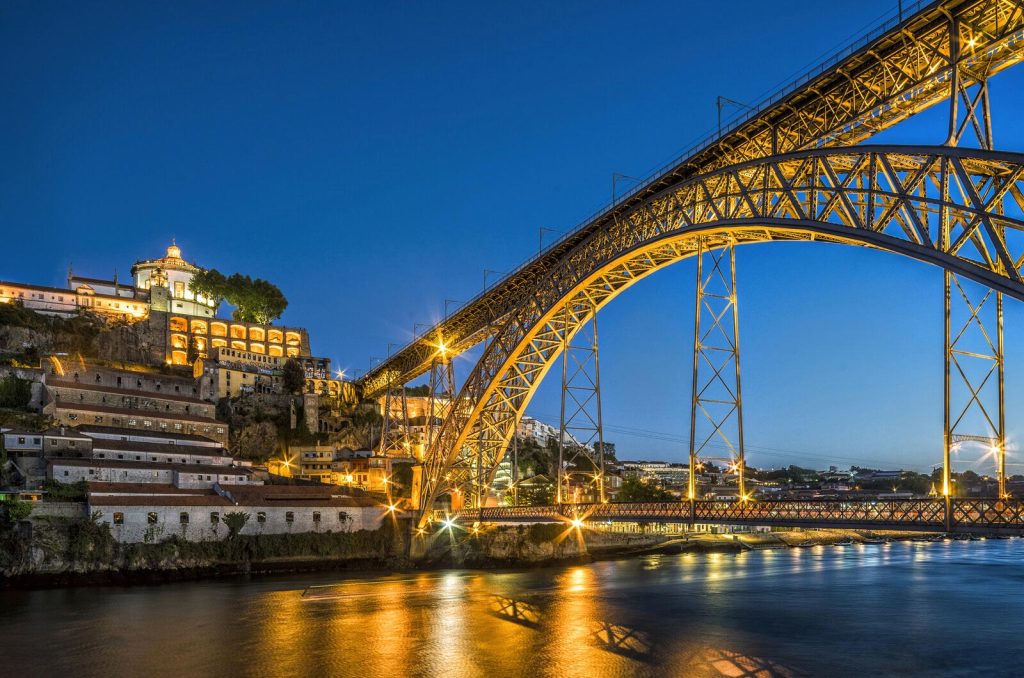
- Easy walk across Dom Luís I Bridge
Cons
- Not technically in Porto city center
- Steep hills in some areas
- Slightly longer walk to main attractions
What’s nearby
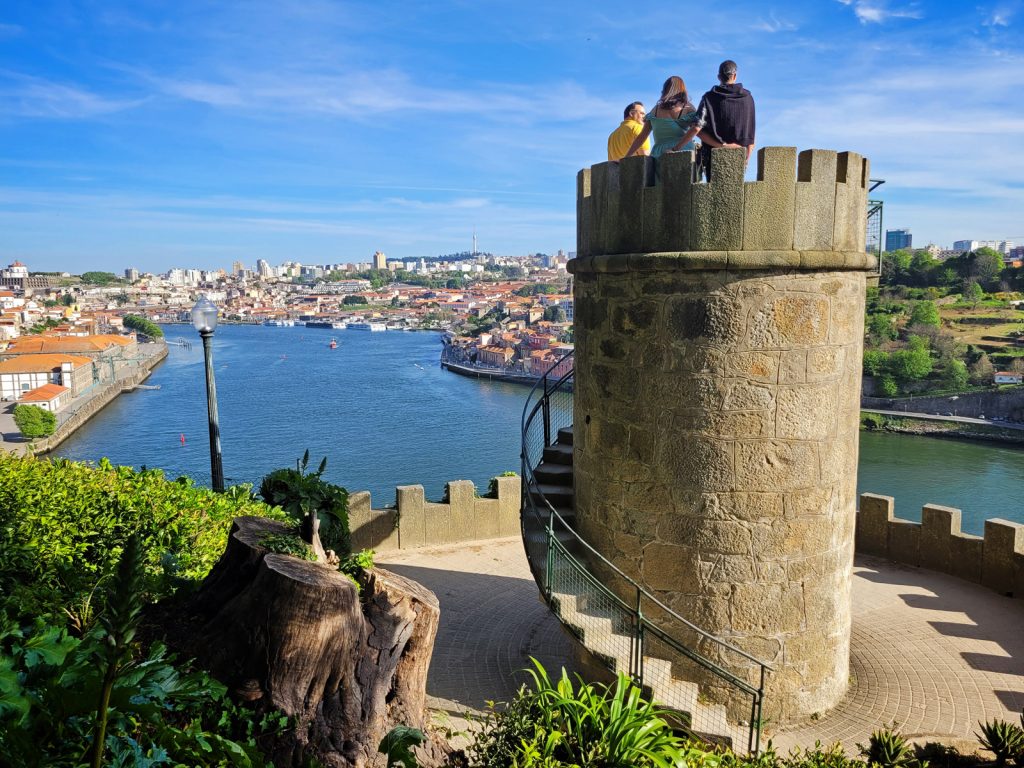
Port wine cellars, Gaia riverfront, Dom Luís I Bridge, Jardim do Morro viewpoint, cable car.
Accommodation
Common options: mid-range hotels, river-view apartments, modern hotels.
Who it suits: Hotels with views are perfect for couples. Apartments suit families.
What to check: Elevation and walking routes, proximity to the bridge, transport connections.
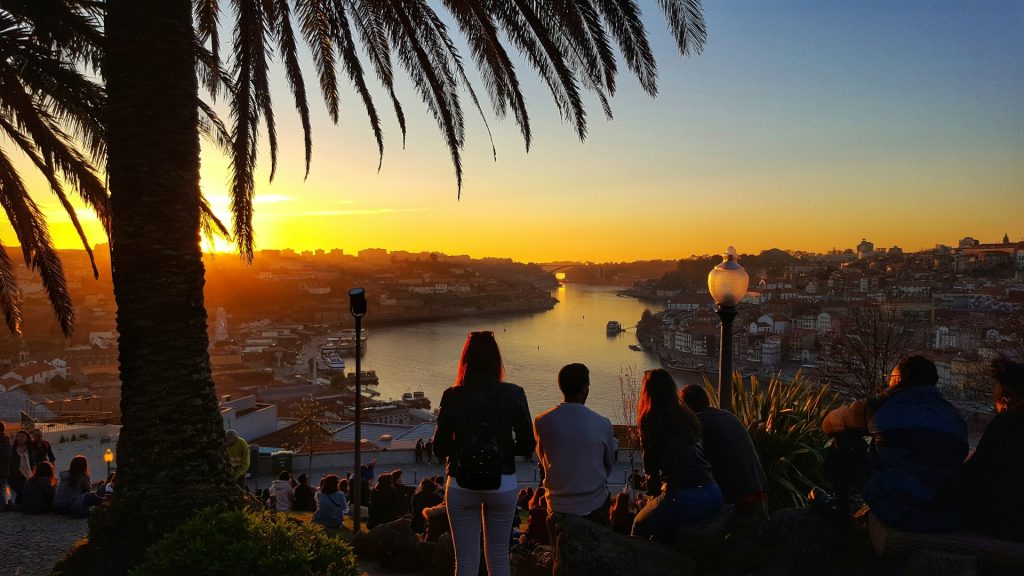
Best type of stay: A river-view hotel near the Gaia waterfront for iconic sunsets.
Foz do Douro
Who it’s best for:
Families, travelers who love the ocean, relaxed stays.
Pros
- Beaches and ocean views
- Peaceful atmosphere
- Scenic coastal walks
- Good seafood restaurants
- Cleaner, more residential feel
Cons
- Far from historic center
- Requires tram, bus, or taxi to sightsee
- Fewer budget options
What’s nearby
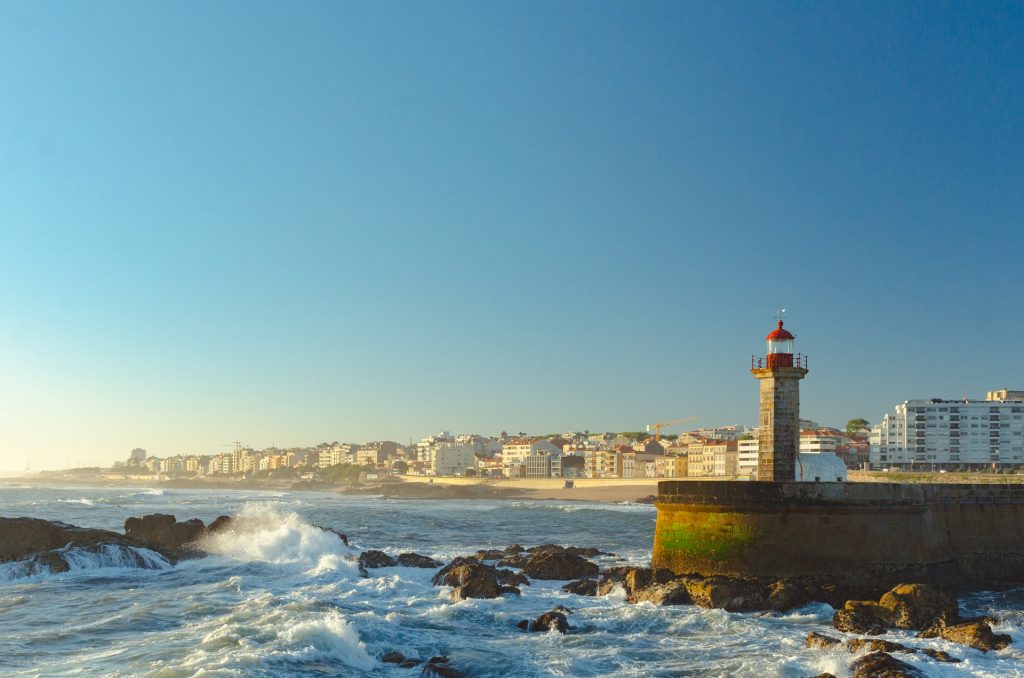
Atlantic beaches, Passeio Alegre Garden, lighthouse, seaside promenade.
Accommodation
Common options: small hotels, apartments, guesthouses.
Who it suits: Apartments are great for families. Small hotels work well for relaxed stays.
What to check: Transport links to the center, seasonal pricing, distance to the beach.
Best type of stay: A seaside apartment if you want a calmer Porto experience with easy beach access.
Areas That Are Often Inconvenient for a First Visit
Porto is generally safe and welcoming, however, some areas can be less practical if you are visiting for the first time and want to focus on sightseeing. These neighborhoods may not be the best place to stay in Porto for first timers:
Campanhã
Overview: Mostly residential and transport-focused, with some offices and industrial buildings.
Drawbacks: Far from the historic center and main sights; you’ll rely on metro or bus to get around.
Who it suits: Travelers with early departures or arrivals, or those prioritizing train connections over sightseeing.
Paranhos
Overview: Quiet, residential, and dominated by university campuses.
Drawbacks: Few cafés, restaurants, or tourist attractions; not ideal for exploring Porto on foot.
Who it suits: Budget travelers or long-term stays with a car.
Matriz / Massarelos
Overview: Residential hills with beautiful panoramic views.
Drawbacks: Steep streets and stairs make sightseeing with luggage tiring.
Who it suits: Couples or travelers seeking scenic quiet spots who don’t mind climbing.
Galerias de Paris & Rua Cândido dos Reis
Overview: Central streets famous for bars and nightlife.
Drawbacks: Noisy at night, making early sightseeing difficult.
Who it suits: Young travelers focused on nightlife rather than early-morning exploring.
10 Practical Tips for Choosing Accommodation in Porto
Stay central for short trips. If your visit is 2–3 days, choose a hotel or apartment near Ribeira, Baixa, or Sé to save time on sightseeing.
Use transport links for longer stays. For 4–5 day trips, staying slightly further out is fine if you’re close to a metro, tram, or bus stop. Check STCP for routes.
Check amenities. Look for elevator access, air conditioning in summer, and heating in winter—especially in historic buildings.
Read reviews carefully. Pay attention to noise levels, cleanliness, and comments on neighborhood safety or street vibe.
Measure walking distances. Verify how long it takes to walk to the city center or nearest metro stop using Google Maps.
Avoid steep streets with luggage. Porto is hilly, especially in Ribeira, Gaia, and Massarelos. If you have heavy bags, check street slopes or elevator availability.
Check parking if driving. Confirm parking options and restricted zones in advance. Use Parkopedia Porto to find nearby parking.
Compare booking platforms. Look at Booking.com, Airbnb, and Casas do Porto to find the best deals.
Match accommodation to your style. Hotels are good for short stays, apartments for families or long trips, guesthouses for a local vibe, and hostels for solo or budget travelers.
Check surroundings. Even central areas can vary in noise, street lighting, and dining options. Look at maps, read reviews, and check street views before booking.
Practical Walking Routes in Porto
1-Day Sightseeing Route from the Main Historic Area
- São Bento Station – Start your day at this beautiful train station, famous for its intricate azulejo murals depicting Portuguese history. Take a few minutes to explore the hall before heading out into the city.
- Porto Cathedral (Sé do Porto) – Walk uphill to the cathedral and enjoy sweeping views over the rooftops of the historic center and the Douro River. The Gothic and Romanesque architecture is impressive both inside and out.
- Ribeira Riverside – From the cathedral, descend to the riverside of Ribeira. Stroll along the colorful streets, enjoy the lively cafés, and maybe stop for a pastel de nata with a coffee.
- Dom Luís I Bridge – Cross this iconic double-deck bridge to reach Vila Nova de Gaia. Pause halfway for a panoramic view of Porto and the river.
- Port Wine Cellars – On the Gaia side, visit a few port wine cellars to learn about Porto’s famous export and enjoy a tasting.
- Palácio da Bolsa – Return to the historic center to explore this elegant 19th-century stock exchange with its opulent Arab Room.
- Church of São Francisco – Just a short walk away, discover the ornate Baroque interior and gilded woodwork of this historic church.
- Livraria Lello – Continue to one of the world’s most beautiful bookstores, where the spiral staircase and stained glass create a magical atmosphere.
- Clérigos Tower – End your day with a climb up the tower for a stunning sunset view over Porto.
- Cais de Gaia – If you still have energy, stroll along the riverside to enjoy the lights reflecting on the Douro and the lively evening atmosphere of the bars and cafés.
Evening Route from a Quiet Neighborhood (Cedofeita / Bonfim)
- Rua de Cedofeita – Begin your evening stroll on this relaxed street lined with local cafés, small galleries, and boutiques. It’s a perfect way to ease into Porto’s atmosphere without the tourist crowds.
- Ó! Galeria – Walk a few minutes to this contemporary art gallery, where rotating exhibitions showcase modern Portuguese and international artists.
- Praça Carlos Alberto – Continue to this charming square, surrounded by cafés and bars. Stop for a drink or a light snack while soaking in the calm evening vibe.
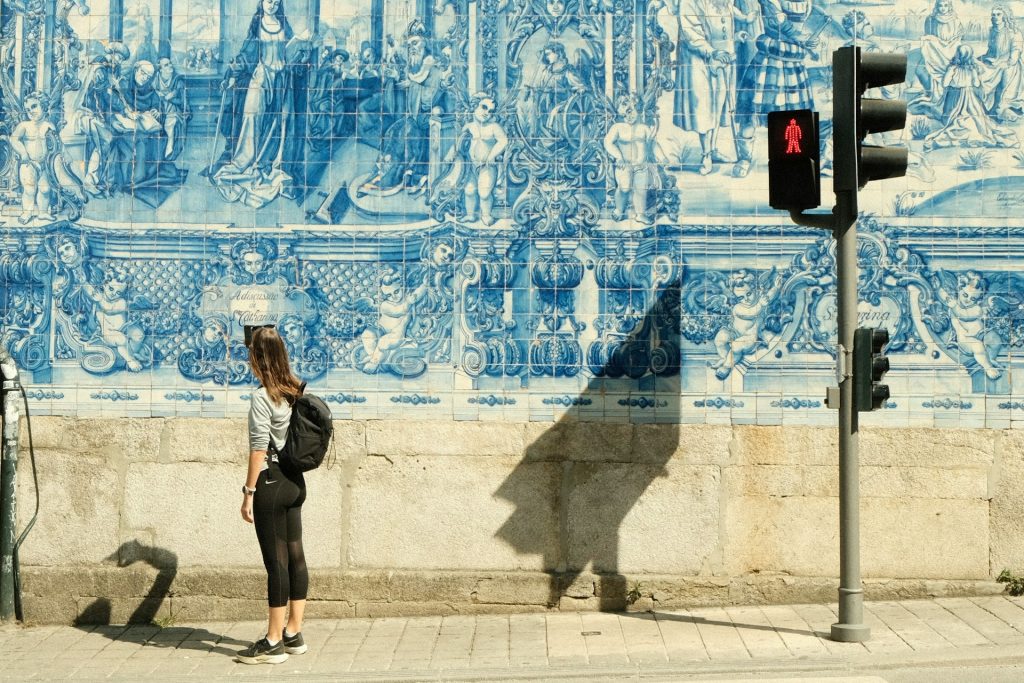
- Capela das Almas – Wander towards this chapel to admire its famous azulejo-covered exterior, beautifully illuminated in the evening.
- Rua das Flores – End your evening with a stroll along this historic street, where beautifully lit buildings, cozy restaurants, and street musicians create a magical nighttime ambiance.
Finding Your Perfect Spot in Porto
Choosing where to stay in Porto doesn’t have to be overwhelming. If it’s your first visit and you want to be in the heart of the action, aim for the historic center around Baixa, Ribeira, or Sé – everything from cafés to landmarks will be within walking distance. For a longer stay or a more relaxed pace, neighborhoods like Cedofeita, Bonfim, or Massarelos offer charming streets, local vibes, and good transport connections to the main sights. Consider what matters most to you: quiet streets, scenic views, nightlife, or easy access to trains and buses, and pick a spot that matches your travel style. With a bit of planning and the tips above, you’ll find a neighborhood that makes your Porto experience seamless, enjoyable, and unforgettable.