Vienna on a Budget
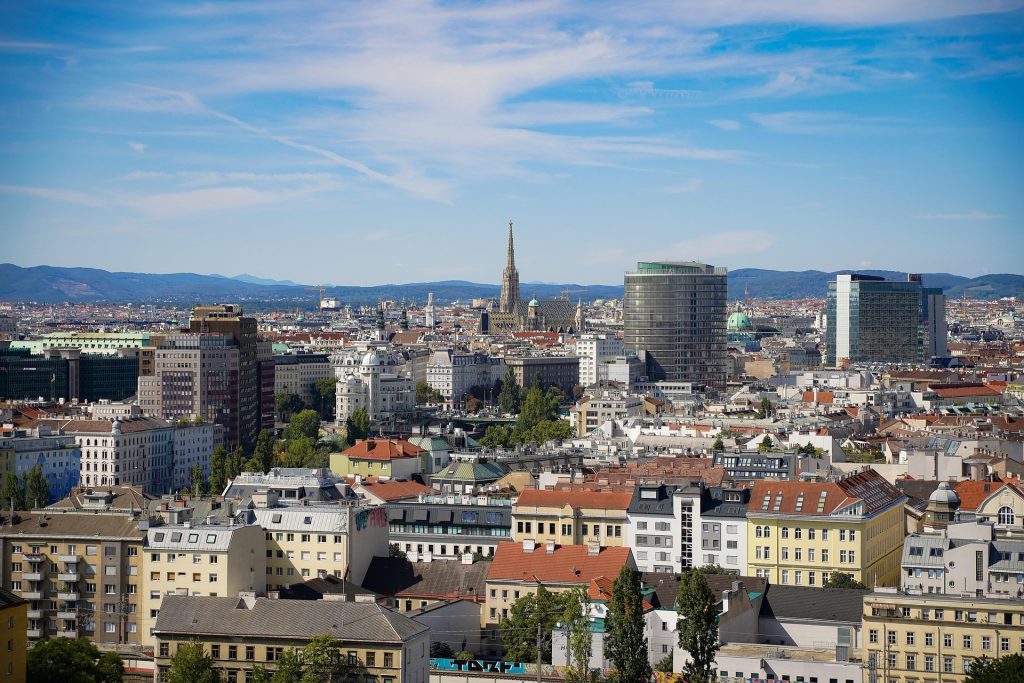
Vienna is famous for imperial palaces, classical music, historic cafés, and elegant architecture. Because of this reputation many travelers assume the Austrian capital must be expensive. In reality, organizing Vienna on a budget is completely possible if you plan your trip carefully.
Like in most European capitals, the main travel expenses usually come from accommodation, attraction tickets, and restaurants in tourist areas. However, Vienna also offers excellent public transport, many free cultural sights, and plenty of affordable places to eat. With the right strategy, budget travel Vienna can be comfortable without sacrificing the experience. This guide explains how to reduce costs on accommodation, transport, food, and attractions, and also includes ready budget itineraries for one and three days.
Vienna Budget Basics: What You Should Know
Before diving into details, it helps to understand how travel expenses in Vienna are usually structured. The city is not the cheapest destination in Central Europe, but it is still manageable compared with many Western European capitals. Travelers who plan their spending usually discover that daily costs stay reasonable.
A realistic travel budget depends mostly on accommodation choices and the number of paid attractions visited.
Typical daily budget in Vienna
- Budget travel: about €55–€80 per day
- Mid-range travel: about €120–€160 per day
Accommodation usually takes the largest portion of the travel budget. Hotels located inside the historic center are often significantly more expensive than those in nearby districts. Choosing a slightly less central neighborhood can reduce costs while keeping the main attractions easily accessible.
Several districts are particularly convenient for budget travelers because they offer good transport connections and reasonable accommodation prices. Leopoldstadt sits close to the historic center and Prater Park, while Neubau is known for its cultural atmosphere and proximity to MuseumsQuartier. Margareten offers a quieter residential environment, and Ottakring is often the most affordable option among districts near the center.
Getting around Vienna is rarely complicated. The metro system, trams, and buses connect almost every part of the city, and the historic center itself is compact enough to explore on foot.
Food is another area where visitors can easily control spending. Vienna has many bakeries, casual cafés, and market stalls where meals remain inexpensive compared with tourist restaurants.
For travelers trying to keep costs low, several activities provide a great introduction to the city without requiring expensive tickets.
Free or very cheap things to do
- walking through Vienna’s historic center
- visiting Prater Park and the surrounding area
- exploring historic churches such as St. Peter’s Church
One common mistake visitors make is eating only in restaurants located directly around Stephansplatz. Prices in this area are usually higher because of heavy tourist traffic.
Typical Travel Expenses in Vienna
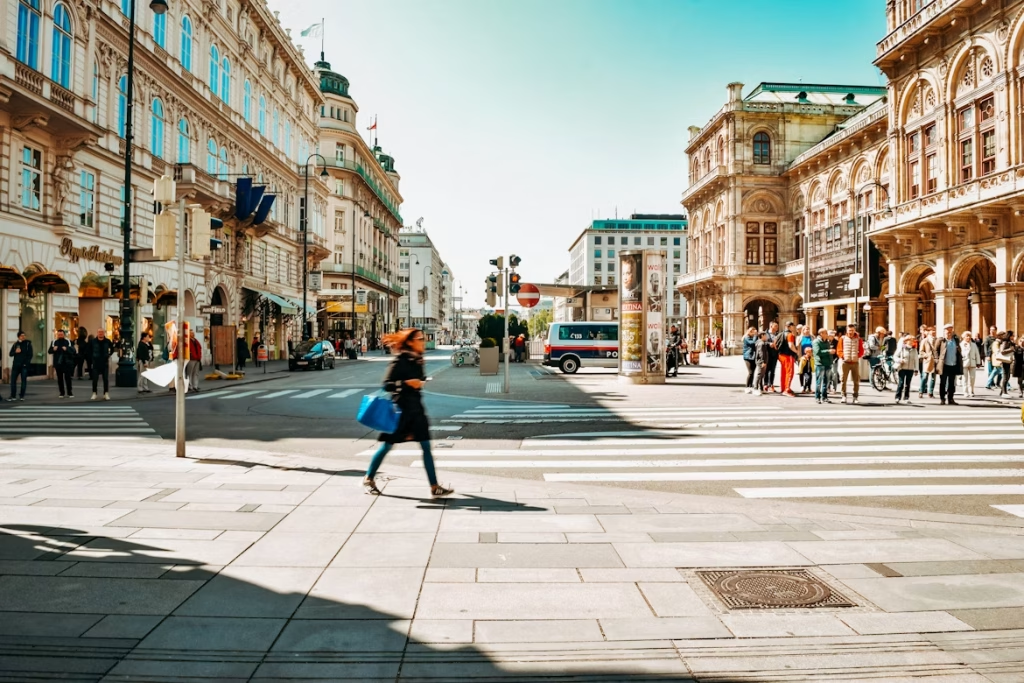
When planning budget travel Vienna, understanding the typical cost structure makes it easier to build a realistic travel plan. Vienna is slightly more expensive than cities like Prague or Budapest, but still more affordable than destinations such as Paris, Amsterdam, or Copenhagen.
Accommodation is usually the most significant expense. Hotels located in the first district around Stephansdom or the Vienna State Opera often charge premium prices because of their central location. Staying just outside this area can reduce accommodation costs without increasing travel time dramatically.
Food and transport usually remain manageable expenses. Vienna’s public transport system makes it easy to avoid taxis, and casual restaurants or bakeries offer affordable meals throughout the city.
A typical Vienna on a budget day usually includes simple accommodation, inexpensive meals, public transport rides, and one paid attraction.
Common daily expenses may look roughly like this:
- hostel or budget guesthouse accommodation
- breakfast from a bakery
- simple lunch or takeaway meal
- casual dinner in a local restaurant
- metro or tram rides
- one museum or attraction ticket
With this approach most travelers spend around €55–€80 per day.
Travelers choosing a more comfortable trip often stay in private hotel rooms and eat in restaurants more frequently. In this case the daily budget usually increases to €120–€160, which is still reasonable for a major European capital.
Museum tickets are often the second largest expense after accommodation. Vienna has many famous museums and historical buildings, so visiting several in one day can quickly increase the travel budget.
Affordable Neighborhoods for Staying in Vienna
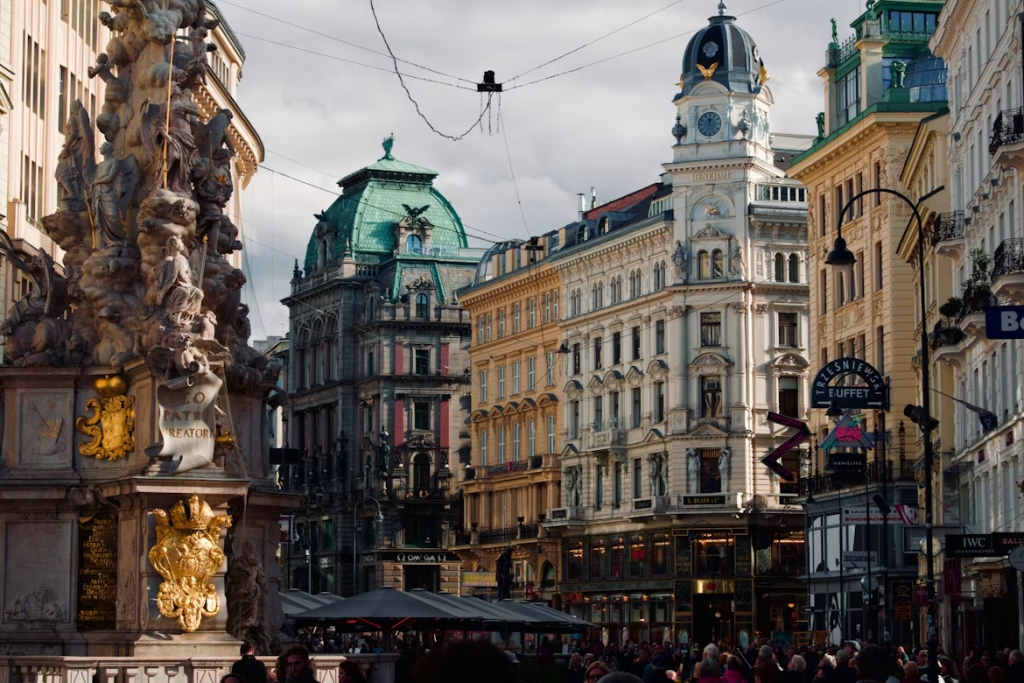
Choosing the right neighborhood is one of the easiest ways to organize Vienna on a budget successfully. Vienna has several districts that offer lower accommodation prices while remaining well connected to the historic center.
Leopoldstadt is one of the most convenient areas for travelers who want a central location without paying the highest hotel prices. Located just across the Danube Canal, it allows visitors to reach the old town in about fifteen minutes. The district is also home to Prater Park, one of Vienna’s largest green spaces.
Neubau offers a slightly different atmosphere. Known as Vienna’s creative district, it is filled with galleries, small cafés, and independent shops. The neighborhood is located next to MuseumsQuartier, which means several major cultural attractions are within walking distance.
Margareten provides a quieter residential environment. Accommodation prices here tend to be lower than in tourist districts, and the area has many small bakeries and restaurants used mostly by locals.
Ottakring is usually one of the most affordable districts near the center. Although it is slightly farther away, metro connections make it easy to reach central Vienna within about twenty minutes.
Budget accommodation in Vienna generally falls into several categories.
Common types of affordable accommodation
- hostels with dormitory rooms
- small budget hotels
- short-term apartments
- private rooms rented by locals
Hostels are usually the cheapest option, especially for solo travelers. Apartments often become more economical for couples or groups because the cost can be shared.
Booking accommodation several weeks in advance is also important, especially during spring, summer, and holiday seasons when Vienna receives large numbers of visitors.
Practical booking tips
- avoid staying directly in the first district
- choose accommodation near metro or tram stops
- compare hostels and small hotels because prices can be similar
- check whether breakfast is included
- book early during high season
Transport and Getting Around Vienna
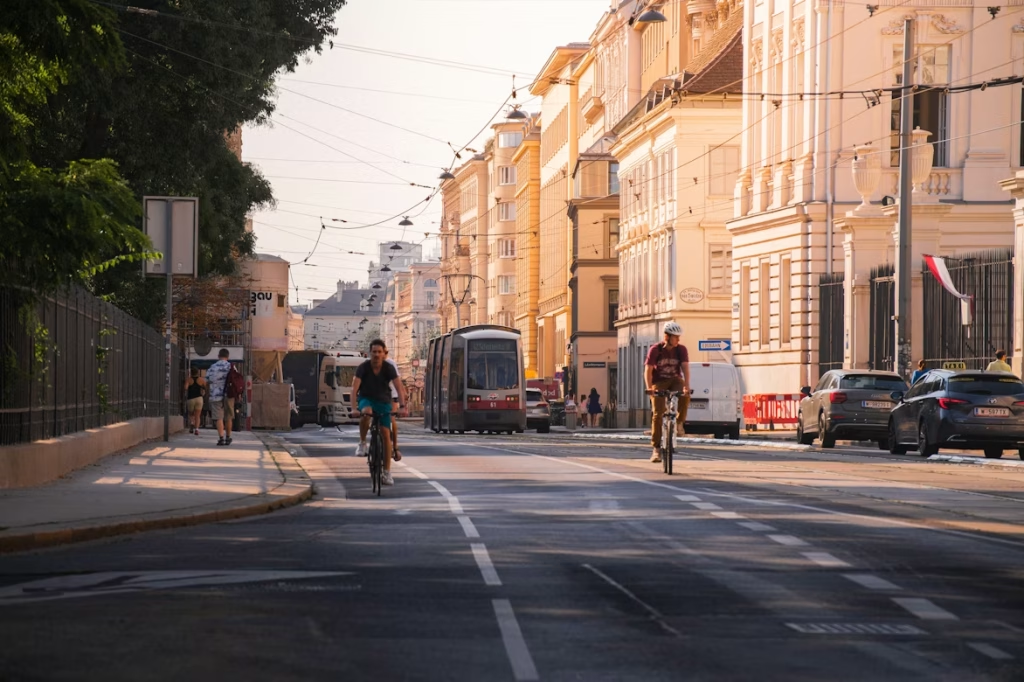
One of the biggest advantages of visiting Vienna on a budget is the city’s extremely reliable public transport system. Vienna has an extensive network of metro lines (U-Bahn), trams, and buses that connect almost every district. Because of this, visitors rarely need taxis or expensive ride services.
For most travelers the best approach is combining public transport with walking. The historic center is compact, and many landmarks such as St. Stephen’s Cathedral, the Hofburg Palace, and the Vienna State Opera are located close enough to reach on foot. Walking also allows visitors to notice small architectural details, hidden courtyards, and historic streets that are easy to miss when moving quickly between attractions.
The public transport system is simple to use and tickets are valid across metro, trams, and buses. Most travelers choose between several common ticket options depending on how long they stay in the city.
Tickets that are usually most practical
- single ride tickets
- 24-hour transport passes
- 48- or 72-hour travel cards
For short trips, daily passes are often the easiest option because they allow unlimited rides and remove the need to buy tickets repeatedly. This is particularly useful when visiting several districts in a single day.
Getting from Vienna Airport to the city center can also be done without spending much money. While there are several transport options available, the suburban train system offers the most budget-friendly connection. The S-Bahn train links the airport with central stations and metro lines, allowing travelers to reach most districts quickly and affordably.
A few simple habits help reduce transport expenses during budget travel Vienna. Buying daily passes instead of single tickets often saves money, and walking through central districts reduces the need for additional rides.
How to Enjoy Viennese Food on a Budget
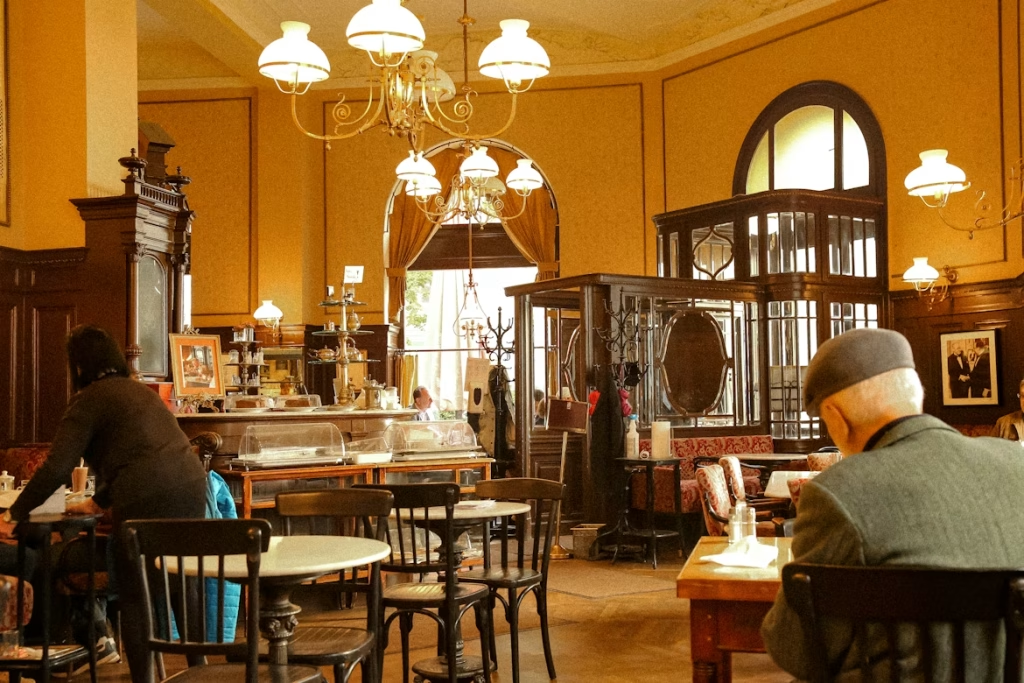
Vienna is famous for its traditional cuisine, historic coffee houses, and elegant pastry culture. While some of the city’s classic restaurants can be expensive, eating well does not require a large budget. Many locals rely on bakeries, casual eateries, and lunch menus that provide excellent value.
Breakfast is usually the easiest meal to keep inexpensive. Throughout the city bakeries open early and offer fresh bread, pastries, and coffee at very reasonable prices. A simple breakfast from a bakery often costs much less than sitting in a tourist café near major attractions.
Markets also play an important role in affordable food culture. The well-known Naschmarkt is one of the best examples, offering food stalls and small restaurants where visitors can try different cuisines at moderate prices. Market stalls selling quick meals are particularly convenient for travelers who want something inexpensive but still fresh.
Lunch menus are another useful strategy. Many Austrian restaurants offer fixed lunch dishes during the middle of the day that cost noticeably less than evening meals. Travelers who choose a larger lunch and a lighter dinner often manage their food budget more effectively.
Visitors who want to maintain Vienna on a budget usually follow several simple food habits.
Practical ways to save on food
- eat breakfast in local bakeries
- try market food stalls for quick meals
- choose lunch menus instead of expensive dinners
- avoid restaurants directly next to major landmarks
- check menus before sitting down
These small choices make a noticeable difference over several days of travel.
Budget-Friendly Sights and Experiences in Vienna
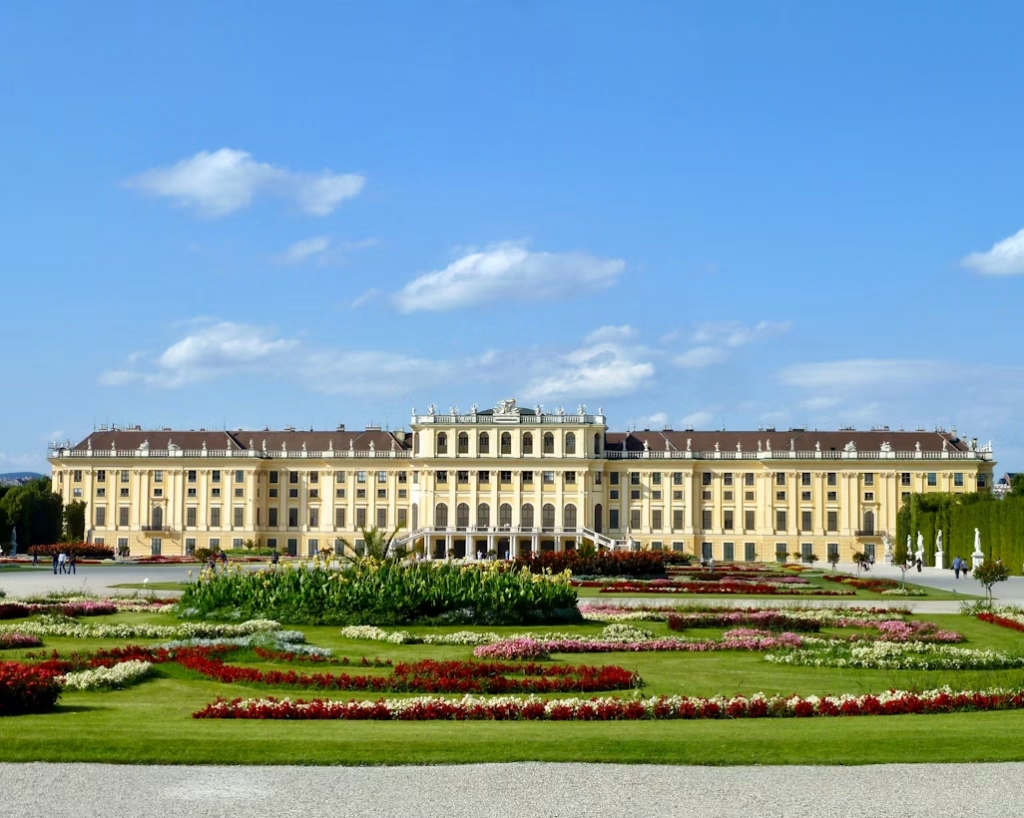
Vienna offers a remarkable number of cultural landmarks, but not all of them require expensive tickets. Many of the city’s most memorable experiences involve simply walking through historic areas or relaxing in large public parks.
The historic center itself is a UNESCO World Heritage site and provides an impressive introduction to Vienna’s architecture. Walking through streets around Stephansplatz, the Hofburg, and the Vienna State Opera already reveals a large part of the city’s cultural heritage.
Parks are another excellent option for budget travelers. The gardens surrounding Schönbrunn Palace are open to the public and provide long walking paths, fountains, and scenic viewpoints. Prater Park offers even larger green spaces and is famous for its historic Ferris wheel.
Some museums also offer reduced tickets during certain hours or special free entry days. Checking museum schedules in advance can help travelers reduce sightseeing costs.
For visitors focusing on budget travel Vienna, the following attractions offer good value or can be enjoyed for free.
Affordable or free things to see
- St. Stephen’s Cathedral
- Prater Park and the Giant Ferris Wheel area
- Schönbrunn Palace gardens
- MuseumsQuartier courtyards
- historic streets of the old town
- the Hofburg palace square
- St. Peter’s Church
- Vienna State Opera exterior and surrounding area
Combining a few paid attractions with several free sights is usually the best way to explore Vienna without overspending.
How to Spend One Budget Day in Vienna
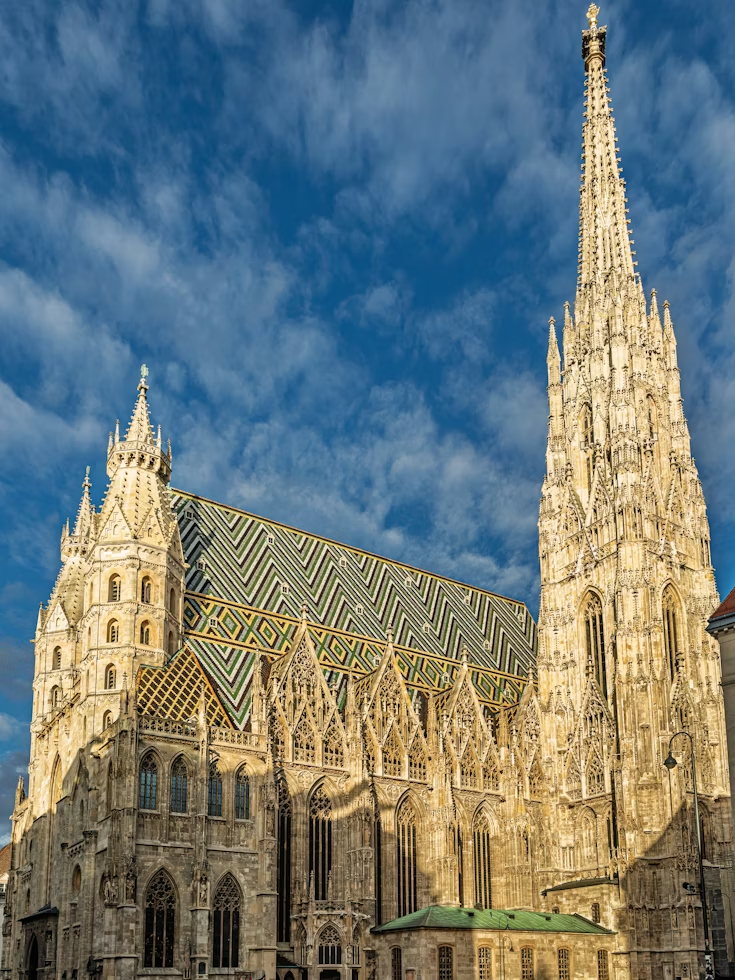
Travelers who have only one day in Vienna should focus on the historic center where many landmarks are located close together. This approach minimizes transport costs and allows visitors to see several important sights in a short time.
Start the morning near St. Stephen’s Cathedral and walk through the surrounding streets of the old town. From here continue toward the Hofburg Palace area where several museums and historic buildings are located.
In the afternoon visit one major museum such as the Kunsthistorisches Museum or the Albertina. Choosing only one paid attraction keeps the daily budget under control while still allowing a deeper cultural experience.
Later in the day walk toward MuseumsQuartier and relax in the open courtyards. Finish the evening with a visit to Prater Park where the atmosphere is lively and perfect for a relaxed walk.
A Three-Day Plan to Explore Vienna Affordably
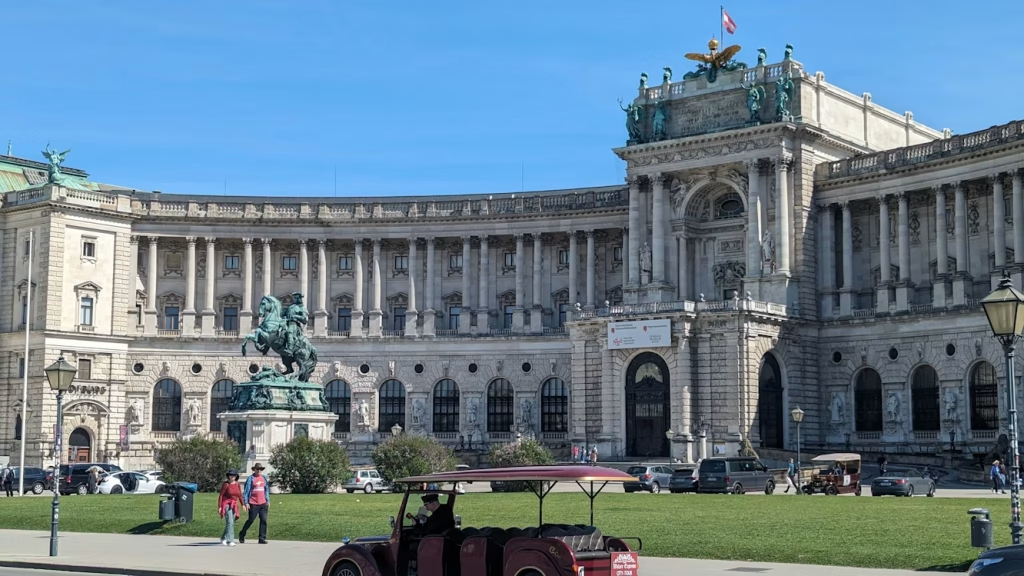
A three-day trip allows travelers to explore Vienna at a slower pace while still keeping the travel budget under control. Organizing sightseeing by districts also reduces transport time and makes the itinerary easier to follow.
Day 1 – Historic Center
Spend the first day exploring Vienna’s historic center. Start at St. Stephen’s Cathedral, then walk through the old town toward the Hofburg Palace. Continue along the Ringstrasse to see landmarks such as the Vienna State Opera and nearby historic buildings.
In the afternoon choose one museum or gallery, for example the Albertina or the Kunsthistorisches Museum.
Day 2 – Schönbrunn and Museums
Begin the morning at Schönbrunn Palace gardens. The gardens are free to enter and offer beautiful views of the palace and surrounding park.
Later return to the city center and spend time in MuseumsQuartier. You can either visit one of the museums or simply relax in the open courtyards and explore the nearby Neubau district, known for its cafés and small shops.
Day 3 – Parks and Local Districts
Start the day with a walk through Prater Park, one of Vienna’s largest green spaces. After exploring the park, spend time in the Leopoldstadt district, which has many casual cafés and local restaurants.
In the afternoon return toward the city center or explore Neubau again for a relaxed final walk through one of Vienna’s most creative neighborhoods.
This itinerary keeps travel distances short and balances a few paid attractions with several free places, making it ideal for travelers planning budget travel Vienna.
Frequent Money Mistakes When Visiting Vienna
Many travelers accidentally spend more money than necessary simply because they overlook small planning details. Avoiding a few common mistakes helps maintain a realistic Vienna on a budget strategy.
Frequent mistakes visitors make
- staying only in the most touristy districts
- using taxis instead of public transport
- buying attraction tickets at the last moment
- eating exclusively near major landmarks
- ignoring free museum hours or discounts
- booking accommodation too late
- visiting too many paid attractions in one day
- not checking public transport passes
Even small adjustments in these areas can significantly reduce travel expenses.
Smart Ways to Keep Your Vienna Trip Affordable
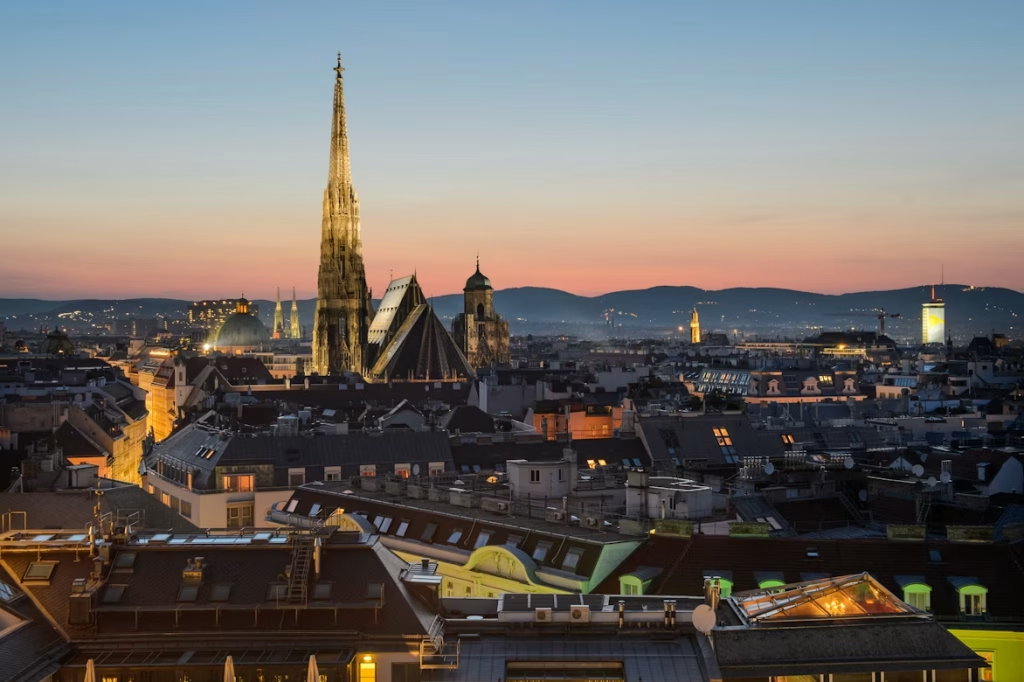
Vienna may appear expensive at first glance, but careful planning makes budget travel Vienna surprisingly accessible. Choosing accommodation in the right district, using public transport, and balancing paid attractions with free cultural sights already reduces most travel costs.
The easiest way to experience Vienna on a budget is to explore the city slowly. Walk through historic streets, relax in large parks, visit a few carefully chosen museums, and enjoy simple meals in bakeries and local cafés. With this approach Vienna becomes not only affordable but also one of the most rewarding cultural destinations in Europe.