Seattle Packing List
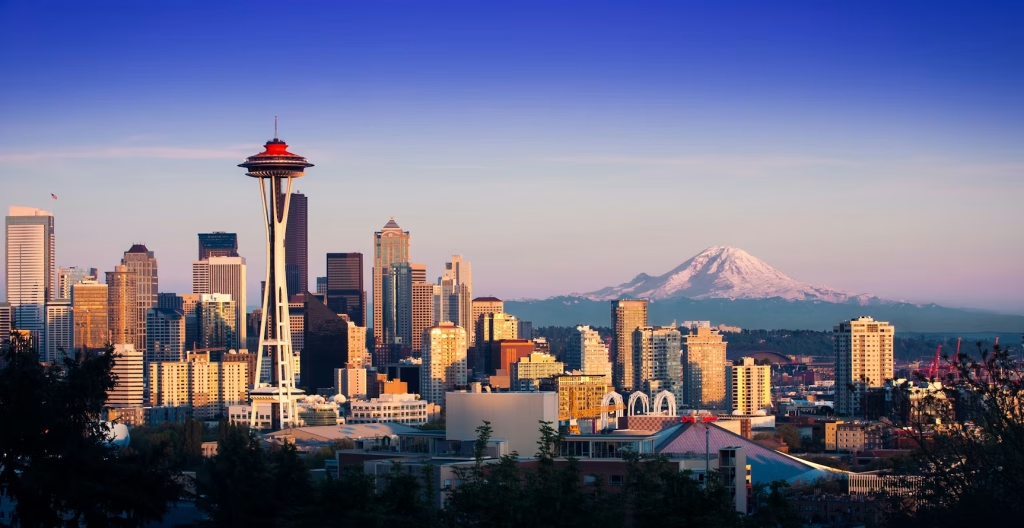
Packing for Seattle can feel confusing if you have never visited the Pacific Northwest. The city is known for rain, cloudy skies, and cool ocean air, but the climate is actually more moderate than many travelers expect.
Visitors usually experience mild temperatures, occasional drizzle, and noticeable weather changes during the day. A morning may start cool and cloudy, turn sunny in the afternoon, and become chilly again in the evening. Because of this, packing for Seattle is less about heavy seasonal clothing and more about choosing flexible outfits that can be layered.
Seattle is also a very walkable city, and many neighborhoods like Capitol Hill, Fremont, Ballard, and Downtown are best explored on foot. Since the city is known for its hills, comfortable shoes are an essential part of any packing list.
This Seattle packing list is organized by season and includes a quick cheat sheet for short trips, along with tips for different travel styles.
Seattle Packing Cheat Sheet: Quick Essentials
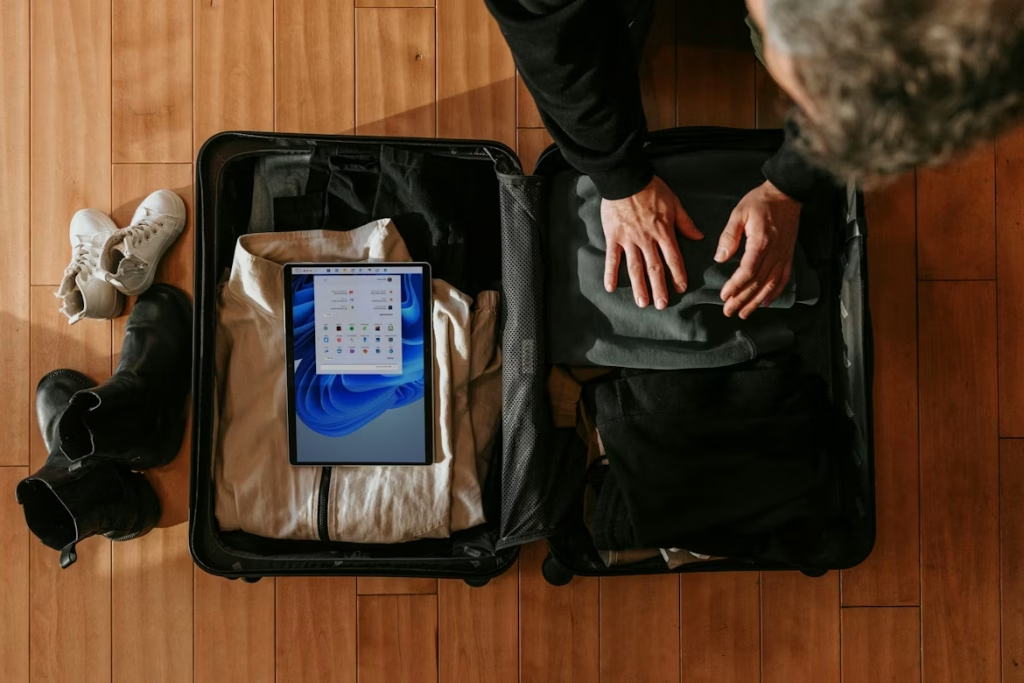
If you are visiting Seattle for just a few days, packing does not need to be complicated. Most travelers rely on versatile clothing that can be worn in several combinations. The goal is to stay comfortable in changing weather without bringing too many items.
Layering is the most reliable strategy. A simple combination of a T-shirt, long sleeve shirt, and sweater can handle most temperature changes during the day. Adding a waterproof outer layer protects you from Seattle’s occasional drizzle.
For a typical three- or four-day trip, travelers usually pack items such as:
- comfortable walking shoes
- layered tops like T-shirts and long sleeve shirts
- a sweater or hoodie
- lightweight waterproof jacket
- sunglasses for sunny breaks
- small backpack for daily exploring
- portable power bank
These essentials make it easier to explore the city without worrying about small weather changes.
One interesting local detail is that Seattle residents rarely carry umbrellas unless rain becomes heavier. Because drizzle is common, many people simply rely on a hooded jacket.
Weather and How to Dress in Seattle
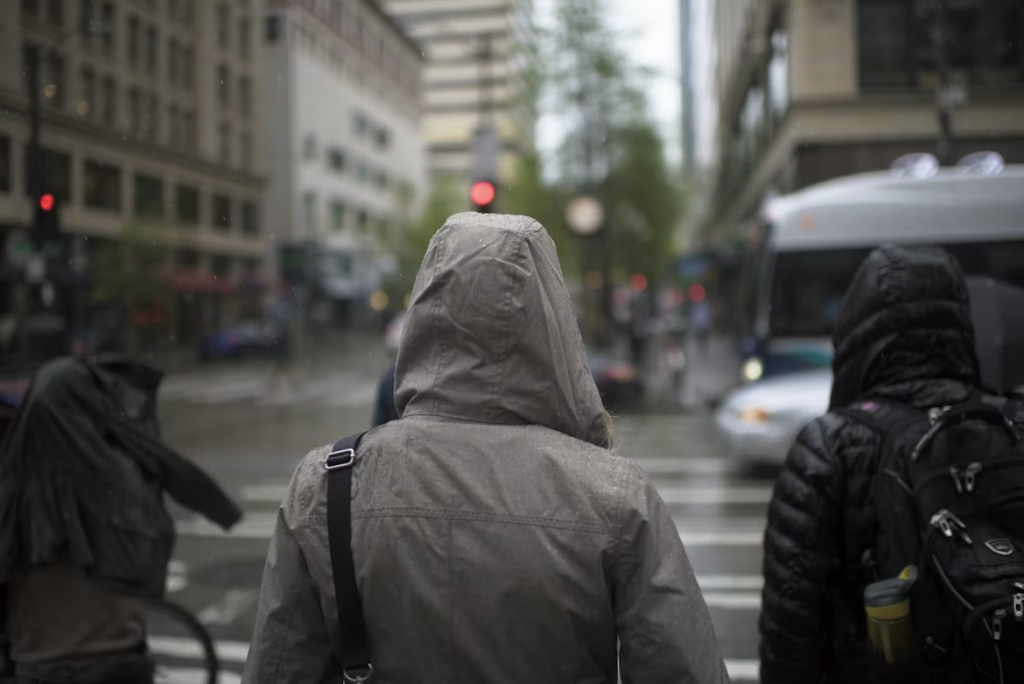
Seattle’s climate is influenced by the Pacific Ocean and nearby mountain ranges, which help keep temperatures relatively stable throughout the year. Summers are warm but rarely hot, while winters are cool and damp rather than freezing.
Humidity also affects how the weather feels. Even when temperatures look mild in the forecast, coastal air and wind can make conditions feel cooler, especially near the waterfront or viewpoints overlooking Puget Sound.
Another characteristic of Seattle weather is how quickly it can change. Clouds may clear suddenly and reveal sunshine before returning later in the day. Because of this, locals usually rely on layers.
A breathable base layer, a warm sweater or fleece, and a waterproof jacket help you stay comfortable throughout the day without carrying bulky clothing.
Packing List by Seasons
Spring Packing List
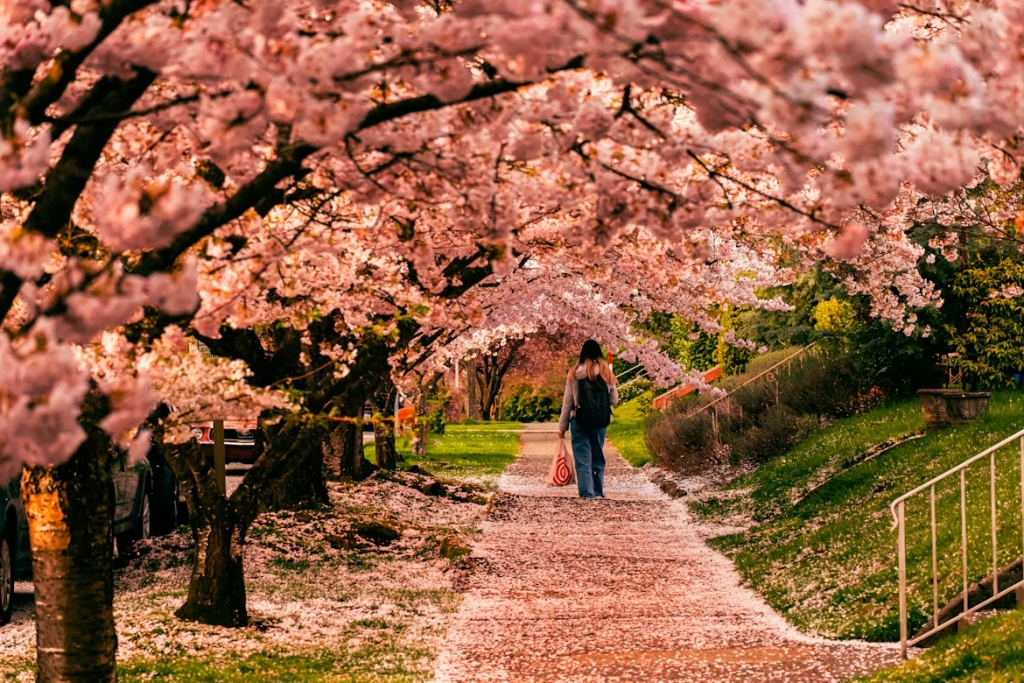
Spring in Seattle usually lasts from March through May, when the city becomes greener with cherry blossoms and fresh foliage in parks and neighborhoods. It is one of the most beautiful seasons, although the weather can still feel unpredictable.
Average daytime temperatures range from 10–18°C (50–65°F). Mornings are often cool and damp, while afternoons may become pleasantly mild when the sun appears. Light rain showers and cloudy days are common.
Because of these conditions, spring clothing should focus on layers that allow you to adjust your outfit throughout the day.
Clothing
When packing clothing for spring in Seattle, travelers usually focus on items that can be layered easily and worn in multiple combinations. Lightweight fabrics work well because they provide comfort during warmer hours while still allowing you to add warmth when needed.
Typical spring clothing items include:
- lightweight waterproof jacket
- long sleeve shirts
- comfortable T-shirts for layering
- light sweater or knit pullover
- jeans or breathable pants
- cardigan or hoodie
- comfortable socks
Footwear
Footwear during spring should be comfortable for long walks while also handling damp sidewalks. Seattle streets often remain wet after rain, so supportive walking sneakers are usually the most practical choice. Some travelers also prefer lightweight ankle boots because they provide slightly better protection from moisture.
Accessories
Spring accessories help travelers stay prepared for Seattle’s changing weather. A compact umbrella or hooded jacket can help during drizzle, while sunglasses may suddenly become useful when clouds clear. Many visitors also carry a small backpack with water, a charger, and an extra layer.
Summer Packing List
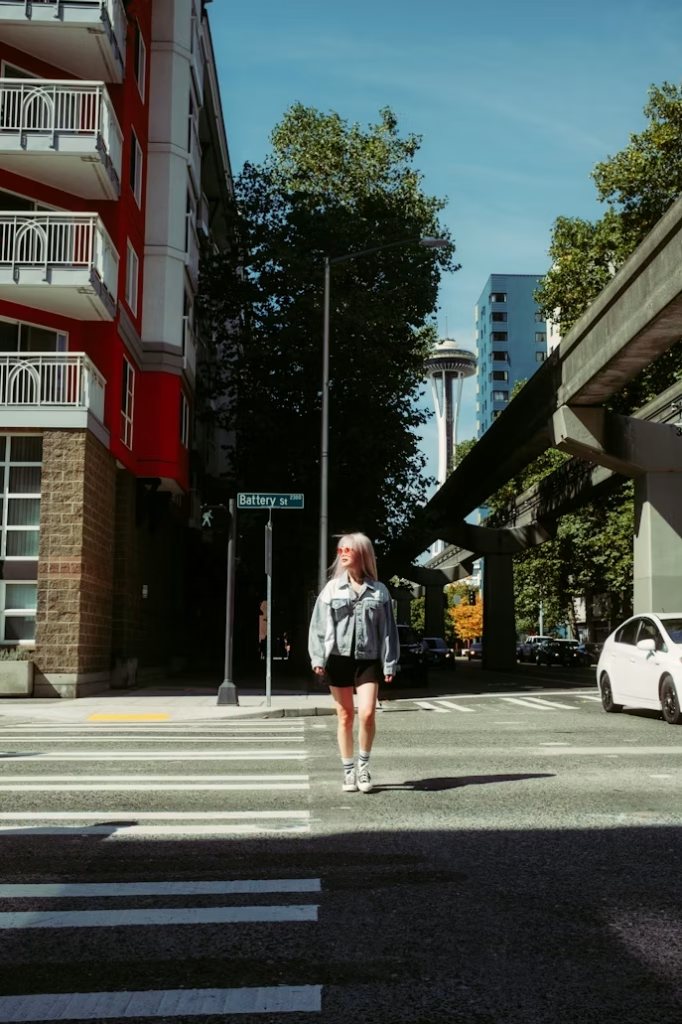
Summer in Seattle typically runs from June through early September and is the driest season of the year. Rain becomes much less frequent, and the city experiences long daylight hours that often stretch well into the evening.
Average daytime temperatures usually range between 18-27°C (65-80°F). While afternoons can feel warm, evenings often become cooler due to coastal air coming from Puget Sound.
Because of this temperature pattern, summer packing still benefits from light layering.
Clothing
Summer clothing should focus on breathable fabrics that remain comfortable during long sightseeing days while still allowing you to add a light layer for cooler evenings.
Typical summer clothing items include:
- lightweight T-shirts
- breathable long sleeve shirts
- casual summer dress or relaxed shirt
- shorts or lightweight pants
- thin sweater or cardigan for evenings
- comfortable casual trousers
- extra socks
Footwear
Comfortable sneakers or lightweight walking shoes are usually the most practical option for exploring Seattle in summer. The city’s hills and long walking routes make supportive footwear more useful than flat sandals.
Accessories
Summer accessories mostly focus on sun protection and convenience during outdoor activities. Sunglasses, sunscreen, and a hat help during bright afternoons, while a reusable water bottle and lightweight backpack make it easier to stay comfortable during long sightseeing days.
Fall Packing List
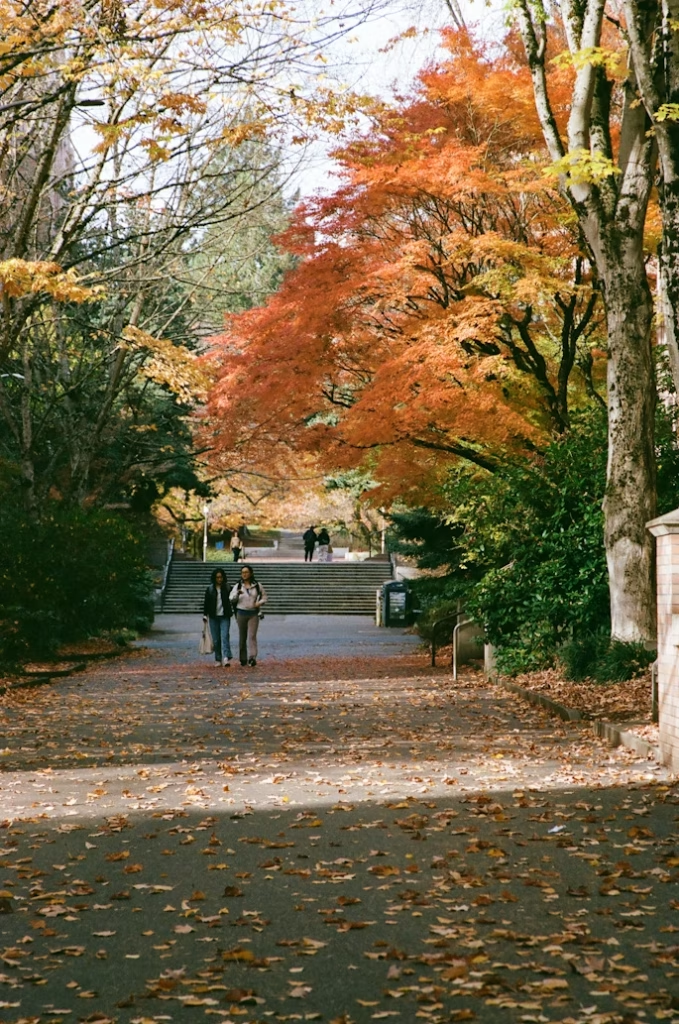
Autumn in Seattle usually runs from late September through November as the city transitions from the dry summer season back to its typical Pacific Northwest climate. Rain becomes more frequent, cloudy days return, and temperatures gradually drop.
Average daytime temperatures range from 11–19°C (52–66°F) in early fall and fall to about 7–13°C (45–55°F) by late November. Mornings and evenings can feel cooler, especially near the waterfront where wind from Puget Sound adds extra chill.
Because of this gradual cooling, fall packing should focus on warmer layers and rain protection.
Clothing
Fall clothing should allow you to stay warm during cool mornings while still remaining comfortable when temperatures rise slightly during the afternoon.
Typical fall clothing items include:
- waterproof rain jacket with hood
- long sleeve shirts
- warm sweaters
- jeans or thicker pants
- hoodie or fleece jacket
- warm socks
Footwear
Rain becomes much more common in autumn, which means footwear should handle damp conditions well. Waterproof sneakers or comfortable walking boots are often the most practical choice for exploring Seattle during rainy weather. Shoes with good grip are especially helpful when walking on wet sidewalks or hills.
Accessories
Accessories during fall become gradually warmer as the season progresses. A scarf can help during windy evenings, and many travelers also carry a compact umbrella for rainy days. A small backpack is useful for carrying layers when the weather changes.
Winter Packing List
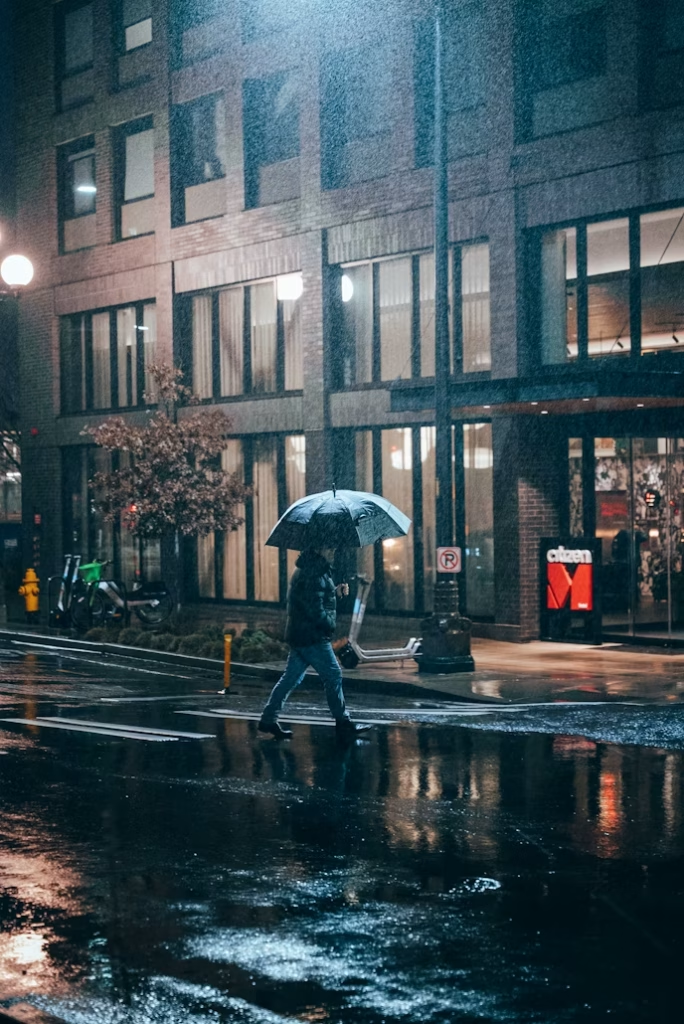
Winter in Seattle lasts from December through February. Temperatures are rarely extremely cold, but the weather is often damp and cloudy.
Average daytime temperatures range between 3–9°C (37–48°F). Snow is uncommon in the city, although nearby mountains receive significant snowfall. Instead of snowstorms, winter weather usually brings light rain, cloudy skies, and occasional wind.
Because of this climate, winter packing should focus on staying dry and layering clothing rather than preparing for extreme cold.
Clothing
Winter clothing in Seattle usually combines warm layers with a waterproof outer jacket to protect against rain and wind.
Typical winter clothing items include:
- warm waterproof jacket
- sweaters or fleece layers
- long sleeve base layers
- comfortable long pants or jeans
- hoodie or insulated mid layer
- warm socks
Footwear
Since sidewalks often remain wet during winter, waterproof boots or insulated walking shoes are usually the most practical choice. Comfortable footwear remains important because visitors often continue exploring the city on foot even during colder weather.
Accessories
Winter accessories help maintain warmth and protect against wind. Gloves, scarves, and knit hats can make outdoor walks much more comfortable. Many travelers also carry lip balm because cold air and wind can cause dryness.
What to Pack Depending on the Type of Trip
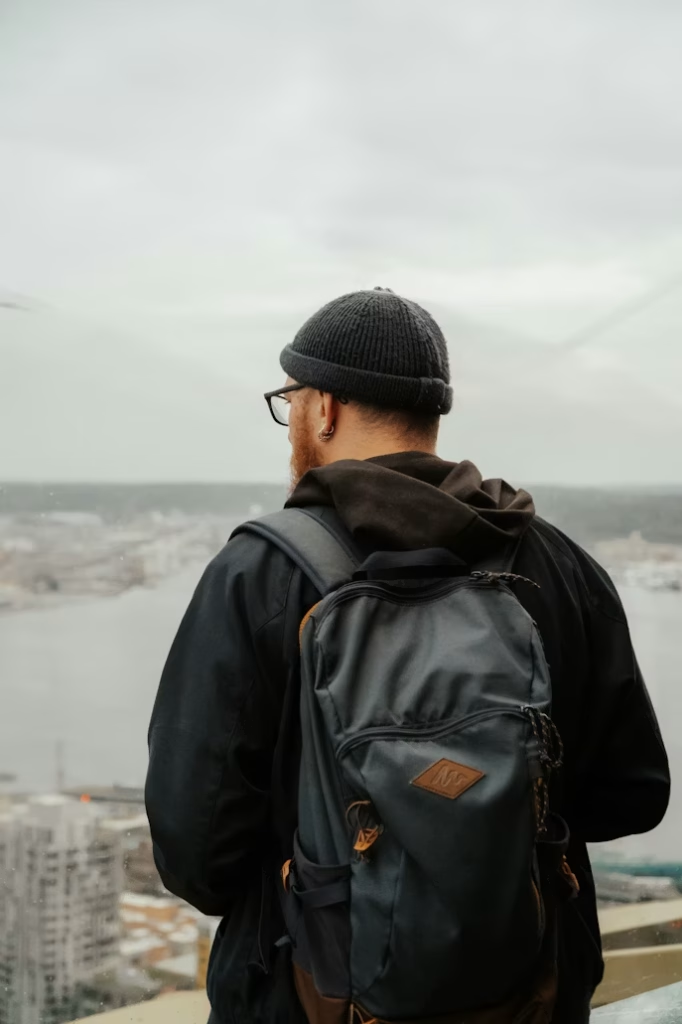
Even with a well-planned Seattle packing list, the exact items you bring can still depend on the type of trip you are planning. A relaxed weekend visit, a business trip, or a travel itinerary focused on walking may require a few different additions.
This section focuses only on the small things that change depending on the travel scenario rather than repeating the basic clothing items mentioned earlier.
Weekend City Break
A weekend city break in Seattle usually involves a relaxed schedule with a mix of sightseeing, coffee stops, and casual restaurants. Travelers often move quickly between neighborhoods like Downtown, Pike Place Market, and Capitol Hill, so compact and convenient items tend to be the most helpful.
Short trips also mean that many people try to pack light, bringing only a small suitcase or carry-on bag. Because of this, it helps to focus on practical items that simplify daily outings rather than packing extra clothing.
For a weekend city break, travelers often add:
- compact crossbody bag for quick outings
- foldable tote bag for markets or small shopping stops
- lightweight evening outfit for restaurants
- reusable coffee cup for café visits
These additions help make short trips smoother without increasing luggage too much.
Business Trip
Seattle’s professional environment is usually described as business casual. Many workplaces have a relaxed dress code, but meetings and professional events may still require a slightly more polished look.
Instead of packing a separate wardrobe, most travelers simply bring one or two structured pieces that elevate everyday outfits. It also helps to organize work equipment so moving between meetings, hotels, and cafés is easier.
For a business trip, useful additions usually include:
- structured blazer or professional outer layer
- business-casual shoes suitable for meetings
- wrinkle-resistant shirt or blouse
- laptop sleeve or professional backpack
These small adjustments make it easier to transition between work activities and casual city exploration.
Walking-Heavy Itinerary
Many visitors come to Seattle to explore the city on foot. Neighborhoods are close together, and walking between viewpoints, parks, and waterfront areas can easily take several hours each day.
When your itinerary includes long walks, comfort becomes especially important. Small items that prevent discomfort can make a big difference, and a lightweight backpack is useful for carrying water, snacks, and other essentials.
Travelers planning walking-focused days often bring:
- blister prevention patches
- an extra pair of walking socks
- lightweight breathable backpack
- small energy snack bars for longer walks
These items can make longer days outside significantly more comfortable.
With Kids
Seattle is a family-friendly destination thanks to its parks, waterfront areas, and interactive museums. However, traveling with children often requires a few extra practical items to keep outings smooth.
Parents often plan longer sightseeing days with playground stops, ferry rides, or museum visits, so small items for snacks, comfort, and entertainment can make these activities easier for both kids and adults.
Families traveling with children often bring:
- wet wipes and tissues for quick cleanups
- snack containers or travel snacks
- extra clothing layer for cooler evenings
- collapsible water bottles for kids
These additions help children stay comfortable and entertained during longer days exploring the city.
Things People Often Forget
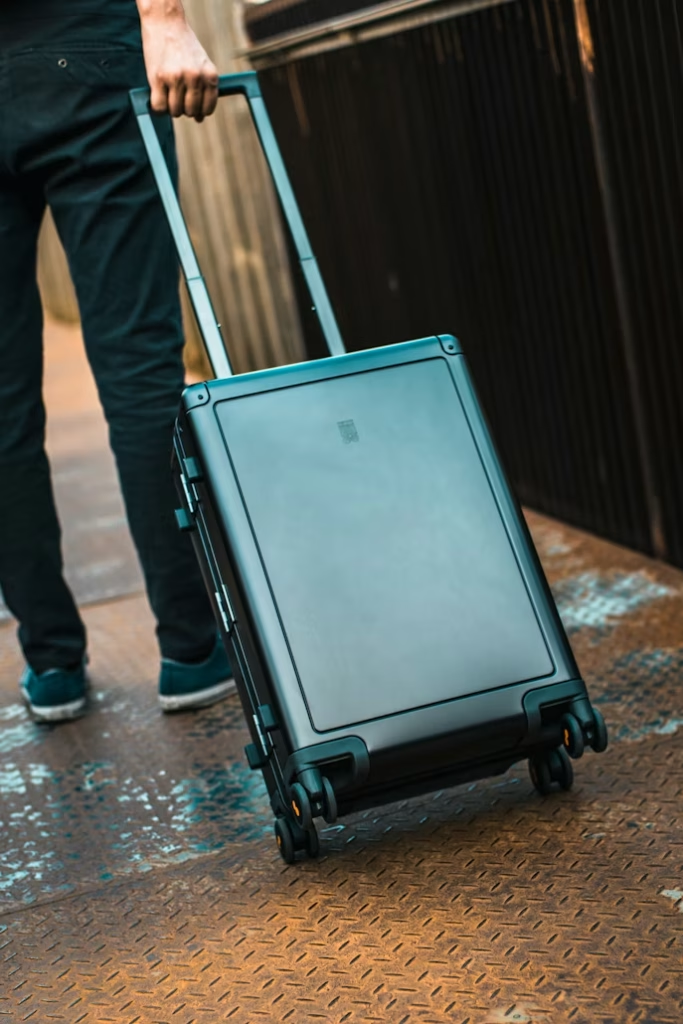
Many travelers pack more clothing than they actually need for Seattle because the weather can seem unpredictable. A useful strategy is planning outfits instead of individual items. When each piece works with several others, it becomes easier to create multiple combinations without overpacking.
Rolling clothes instead of folding them can also save space and reduce wrinkles. Packing cubes help keep your suitcase organized by separating different clothing categories.
Seattle’s damp climate also makes it important to protect electronics. Storing devices in waterproof sleeves or organizing cables in protective pouches helps prevent moisture damage during rainy days.
Finally, placing frequently used items near the top of your bag makes them easier to access without unpacking everything.
Conclusion
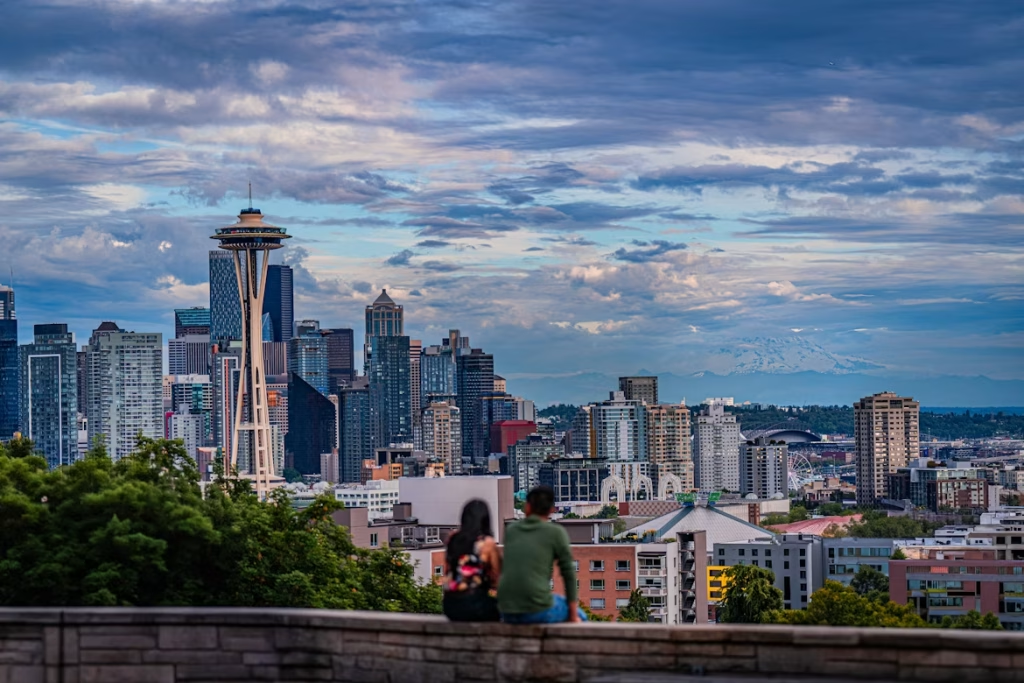
Packing for Seattle is mainly about flexibility rather than quantity. The city rarely experiences extreme temperatures, but humidity and changing weather patterns make layered clothing the most practical choice.
If you are visiting Seattle for the first time, focus on comfortable walking shoes, adaptable clothing layers, and a reliable waterproof jacket. Once those essentials are covered, you can adjust your packing list depending on the season and the type of trip you are planning.
With the right preparation, you can spend less time worrying about the weather and more time enjoying Seattle’s parks, waterfront views, coffee culture, and vibrant neighborhoods.