How to Get Around Mallorca
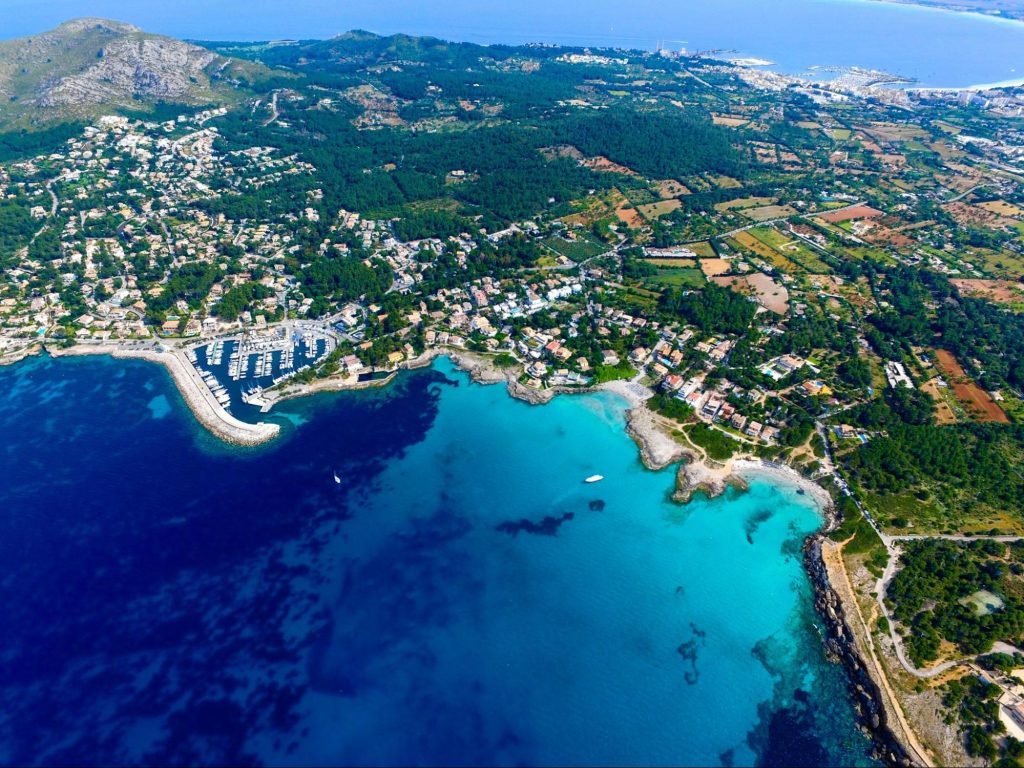
Mallorca may look compact on a map, but getting around the island is not always as simple as it seems. Distances are manageable, yet winding mountain roads, scattered coastal towns, and seasonal transport schedules can change how long it actually takes to move between places. Choosing the right way to travel often has a bigger impact on your trip than the distances themselves.
Understanding getting around Mallorca comes down to knowing how the island is structured and what transport actually works in practice. Some routes are easy with public transport, while others become far more convenient with a car. The sections below break down the real options, where they work best, and how to plan smarter so you spend more time exploring and less time figuring out logistics.
Key Geography and Distances
Mallorca is an island, but its shape makes logistics less straightforward than the size suggests. Palma sits on the southwest coast and acts as the main transport hub, while most popular areas spread out in different directions. The northwest is dominated by the Serra de Tramuntana mountains, the north has historic towns like Pollença and Alcúdia, and the east and southeast are dotted with small coves and resort towns that are more scattered and less connected by direct routes.
The key logistical nuance is terrain rather than distance. Mountain roads in the Tramuntana region are narrow and slow, often turning short distances into longer drives, while coastal areas on the east side are fragmented by small bays and winding access roads. As a result, moving around Mallorca is less about kilometres and more about choosing the right base and transport style for the part of the island you want to explore.
Comparing Ways to Get Around Mallorca
Different transport options work better depending on where you stay and how much of the island you want to see.
Flights
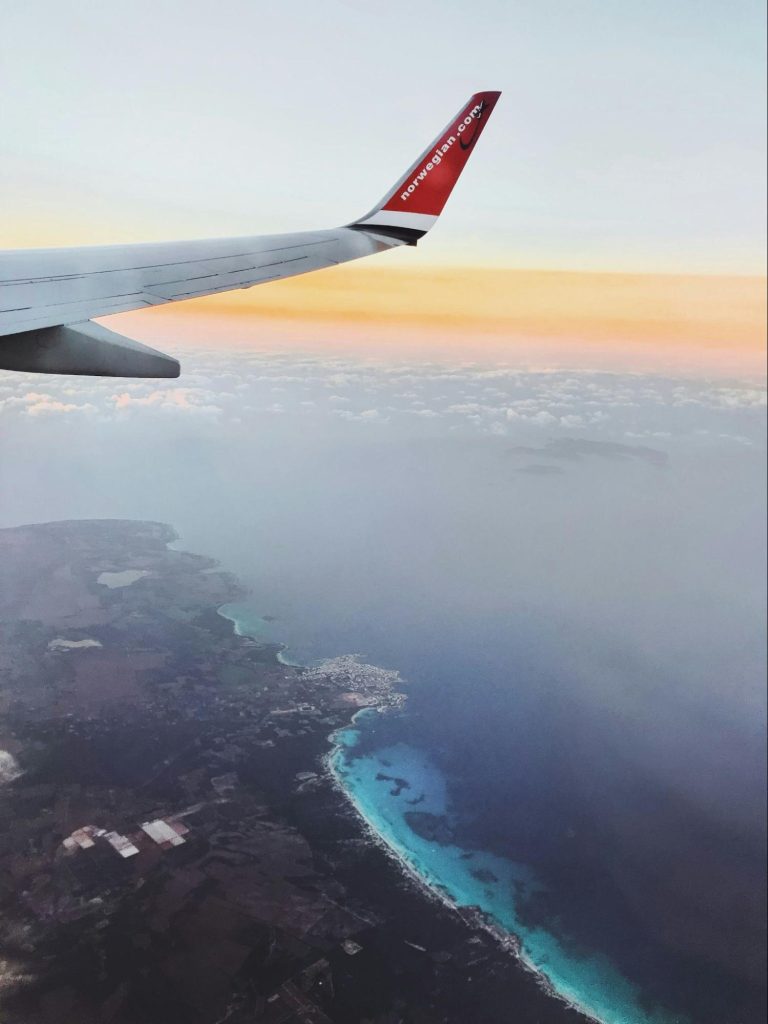
When it fits
- Not relevant within the island
Pros
- Useful only for arriving or leaving Mallorca
Cons
- No domestic flights on the island
Trains
When it fits
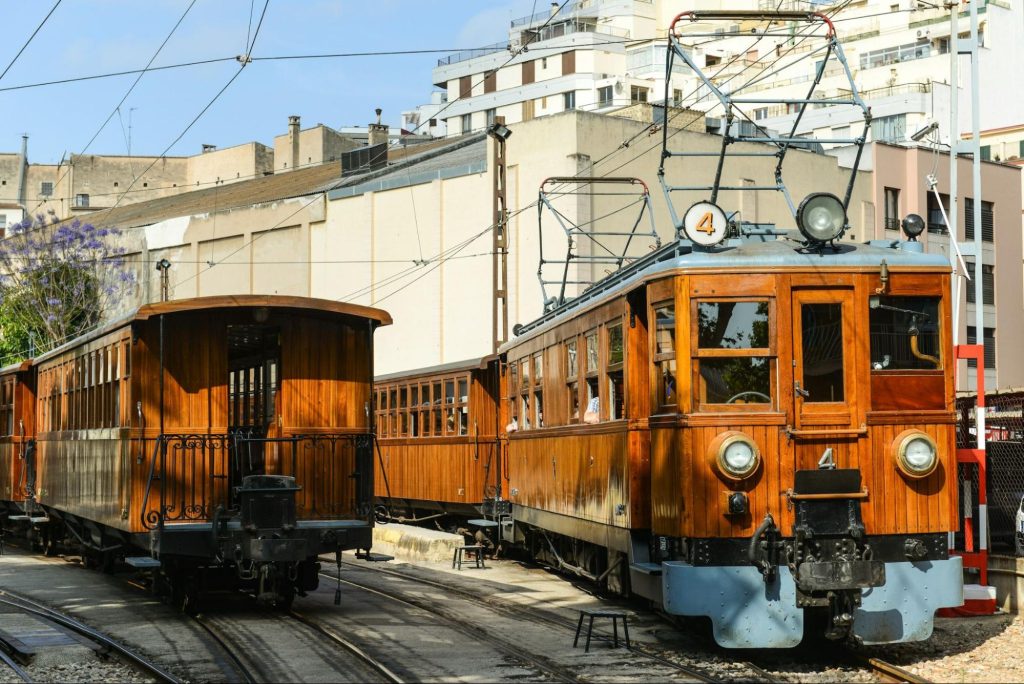
- Palma to Sóller or central towns
Pros
- Scenic routes
- Reliable and simple to use
Cons
- Very limited network
- No coastal coverage
Intercity Buses
When it fits
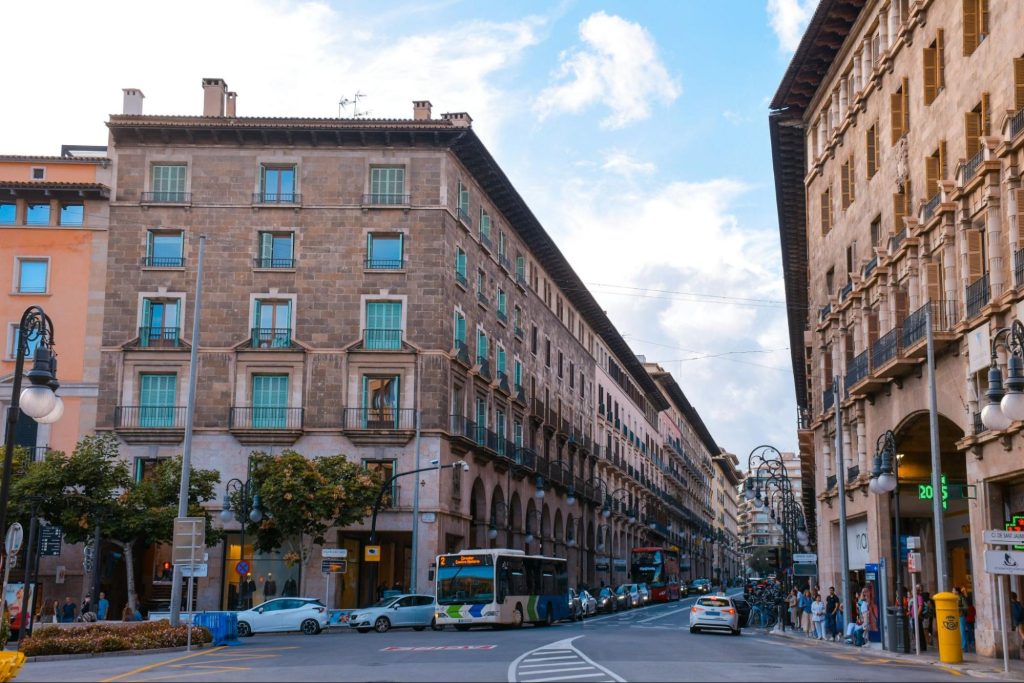
- Budget travel and main resort routes
Pros
- Good coverage from Palma
- Affordable fares
Cons
- Indirect routes between non-Palma towns
- Long travel times in rural areas
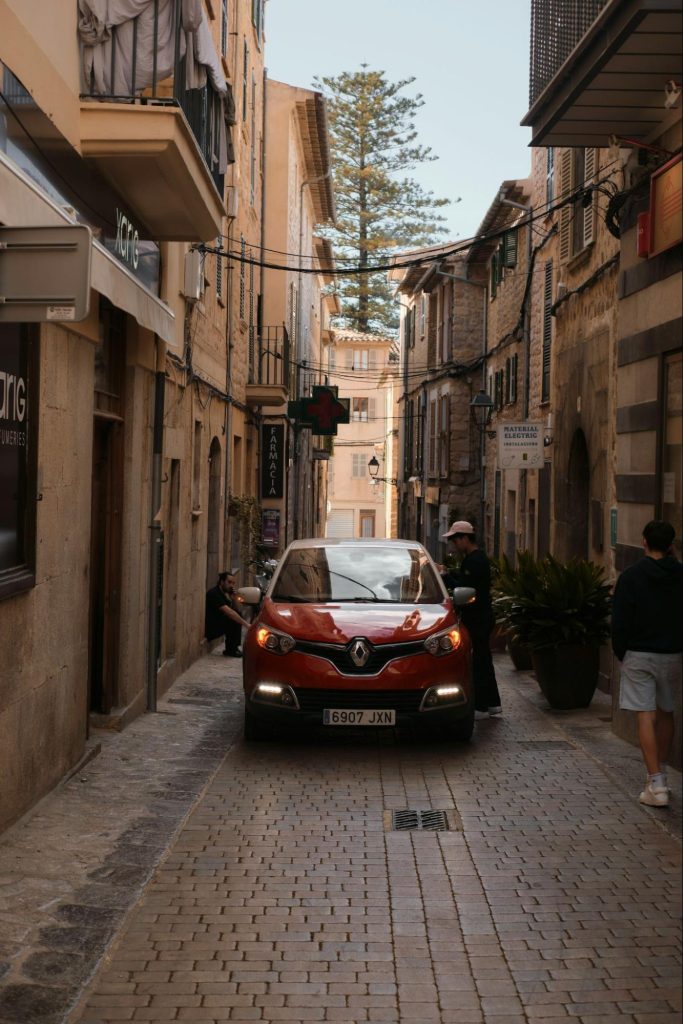
Rental Car
When it fits
- Exploring beaches, mountains, small towns
Pros
- Maximum flexibility
- Access to hidden coves and viewpoints
Cons
- Parking challenges in peak season
- Mountain driving can be demanding
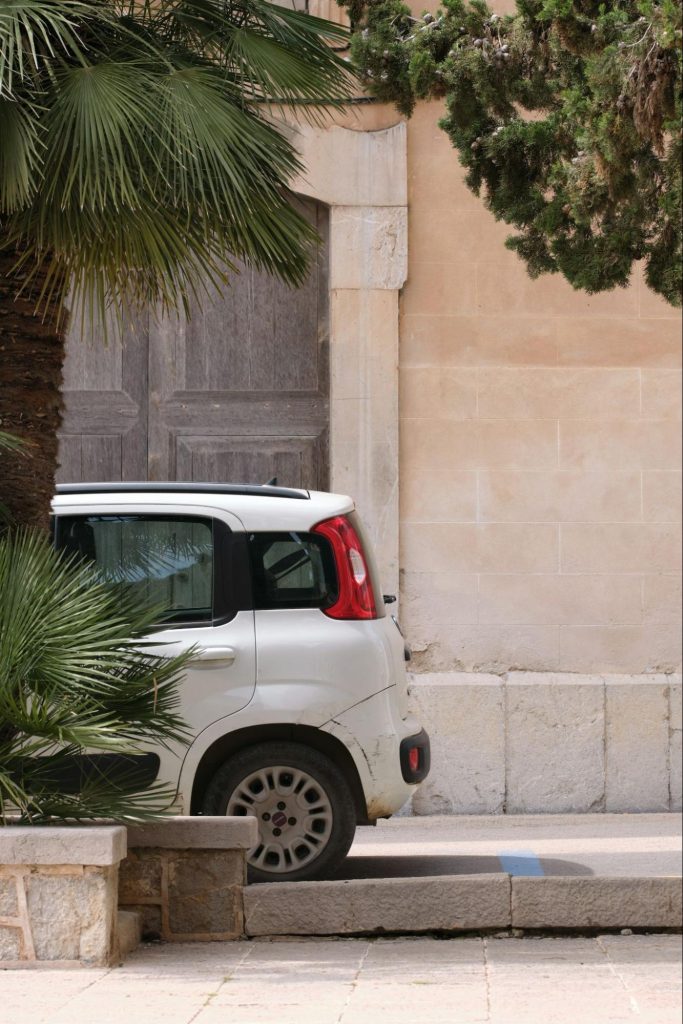
Taxis and Ride-Hailing
When it fits
- Airport transfers and short trips
Pros
- Convenient and widely available
Cons
- Expensive for longer distances
- Limited availability in remote areas
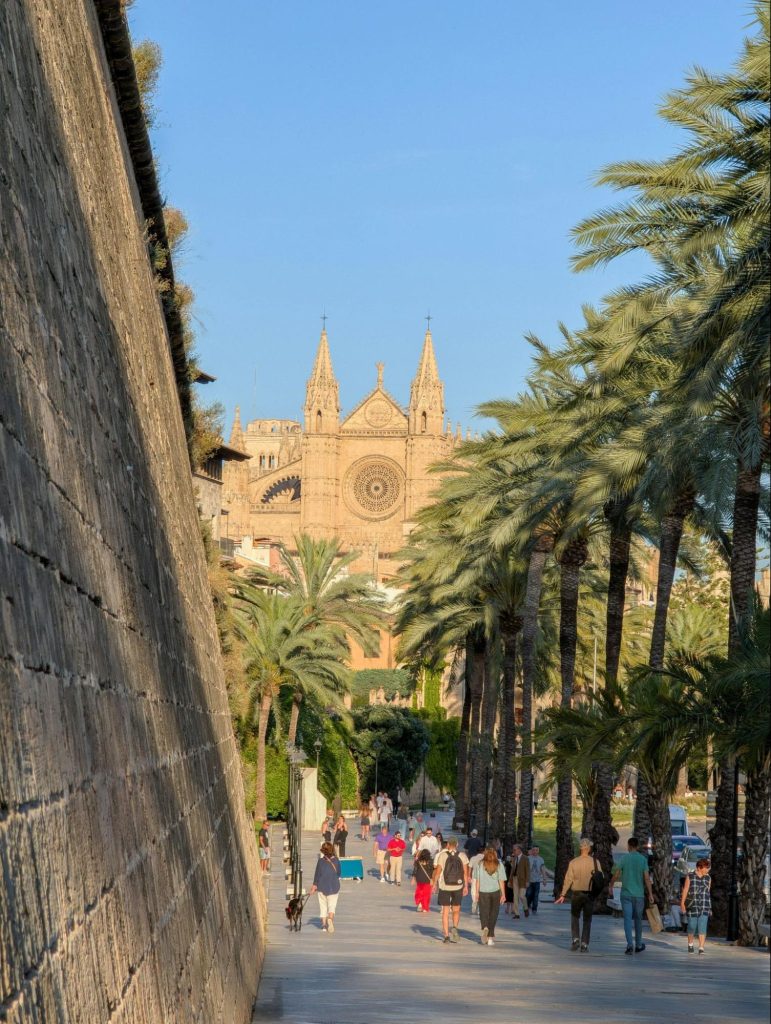
Tours and Private Transfers
When it fits
- Short stays without driving
Pros
- Simple logistics
- Access to hard-to-reach areas
Cons
- Fixed schedules
- Higher cost per day
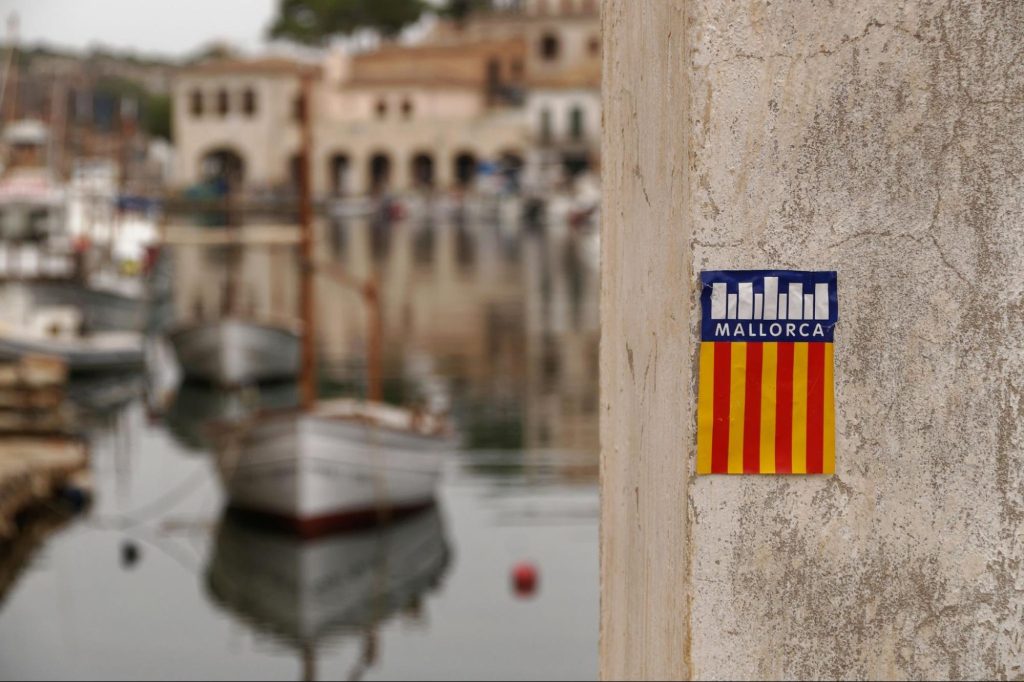
Ferries and Boats
When it fits
- Trips to nearby islands or mainland Spain
Pros
- Scenic crossings
- Option to bring a car
Cons
- Weather dependent
- Not useful for moving around Mallorca itself
Mountain Shuttles and Seasonal Transport

When it fits
- Serra de Tramuntana and hiking areas
Pros
- Reduces parking pressure
- Helpful in protected zones
Cons
- Seasonal schedules
- Limited departures
Rental Car: Should You Get One?
A rental car is often the most flexible way to explore Mallorca, but it is not essential for every itinerary. The island has a clear contrast between well-connected hubs and areas that feel much less accessible without private transport. Whether you need a car depends mainly on where you stay and how many regions you plan to cover.
When It Is Hard Without a Car
The east coast coves, inland villages, and much of the Serra de Tramuntana are far easier to explore by car. Beaches like Cala Torta, Cala Varques, and smaller calas near Santanyí are difficult to reach by public transport. The same applies to scenic drives between Deià, Valldemossa, and Sóller, where buses exist but run less frequently and do not stop at viewpoints.
When You Can Skip It
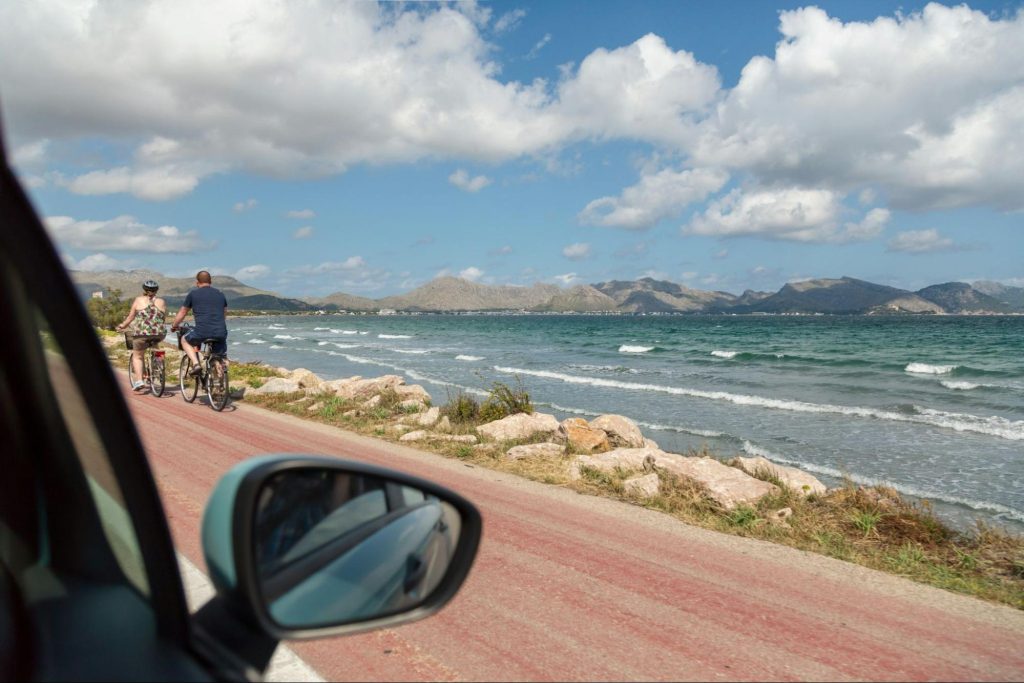
Trips focused on Palma or a single resort area can work well without driving. Palma is walkable and well connected by airport buses and regional routes. Areas like Alcúdia, Cala d’Or, and parts of the south coast also function reasonably well if you are staying local and planning only a few organised day trips.
License, Age, Deposits, and Insurance
Most visitors can rent with a valid national license, and EU licences are accepted without extra documents. Non-EU travellers may occasionally be asked for an International Driving Permit, depending on the rental company. While the legal driving age in Spain is 18, most rental companies in Mallorca set their minimum age at 21 and apply surcharges for drivers under 25. A credit card in the main driver’s name is typically required for the deposit. Basic insurance is included, but many travellers add extra coverage to reduce excess liability.
Parking, Restrictions, and Driving Conditions
Parking is manageable across most towns but becomes tighter in summer, especially near popular beaches. Blue zones mark paid street parking, while white zones are free where available. Palma has more regulated parking and some restricted traffic areas in the historic centre. Roads are generally well maintained, but mountain routes in the Tramuntana are narrow and winding, which can slow travel despite short distances.
Choosing the Right Vehicle
Compact cars are usually the most practical choice due to narrow streets and limited parking near beaches and old towns. A mid-size car adds comfort for longer stays or families. SUVs are not necessary for road conditions, as Mallorca has no off-road driving in typical travel areas. Automatic cars are available but in lower supply, so reserving early is recommended if you prefer one.
Public Transport: How to Make It Work
Public transport in Mallorca is reliable but structured around Palma. Most routes radiate from the capital, which makes travel straightforward if you start or end there, but less direct when moving between coastal regions. Understanding how the network is organised helps set realistic expectations.
What Exists and How Practical It Is
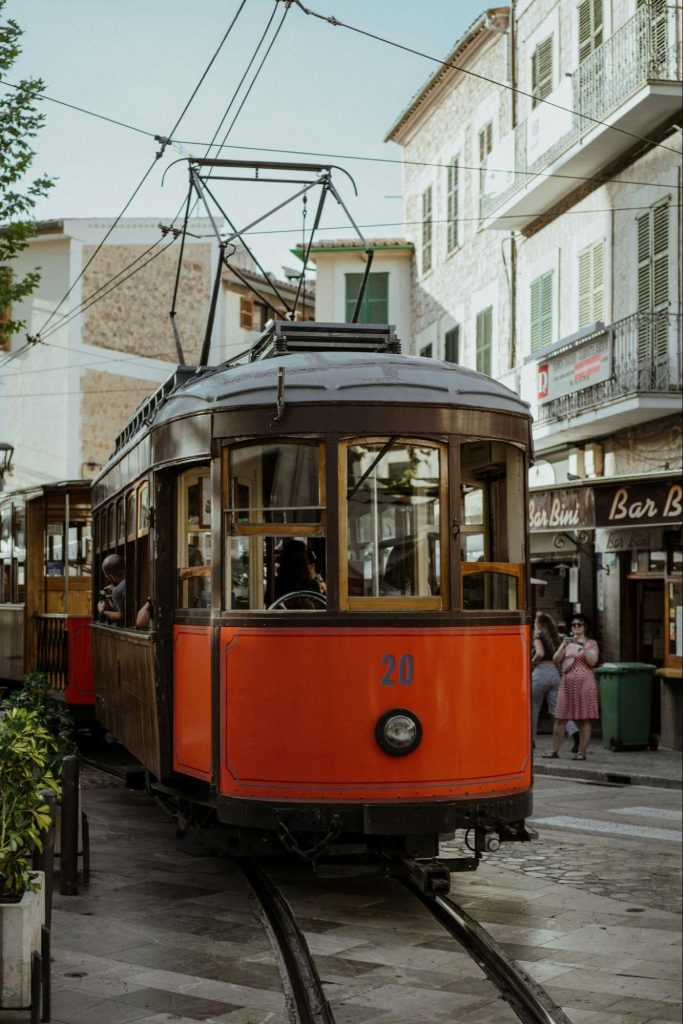
Mallorca has a mix of intercity buses, regional trains, and local urban networks. Buses form the backbone of public transport and connect Palma with towns across the island, including Alcúdia, Cala d’Or, Sóller, and the airport. Trains run from Palma to places like Inca, Sa Pobla, and Manacor, mainly serving the interior rather than coastal resorts. Within Palma, buses are frequent and easy to use, while smaller towns rely on regional lines with fewer departures.
Buying Tickets and Planning Ahead
Tickets can be bought directly from drivers on many bus routes, but using contactless payment or transport cards is becoming more common. Online schedules are available through official operators, and checking timetables in advance is important, especially outside summer. Trains use simple station machines and digital tickets, making them straightforward even for first-time visitors.
Passes and Travel Cards
Multi-ride cards and local transport passes exist, but they are not always essential for short stays. If you plan frequent bus travel from Palma, a reusable card can reduce fares. For occasional trips, paying per ride is often simpler and not significantly more expensive.
Limitations and Timing Realities
Evening and Sunday services are less frequent, particularly outside Palma and main tourist corridors. Some scenic areas, including parts of the Tramuntana, have only a handful of daily connections. Seasonal demand also affects frequency, with more buses running in summer and reduced schedules in winter. Planning around fixed departure times is key when relying on public transport for day trips.
Ferries and Sea Travel
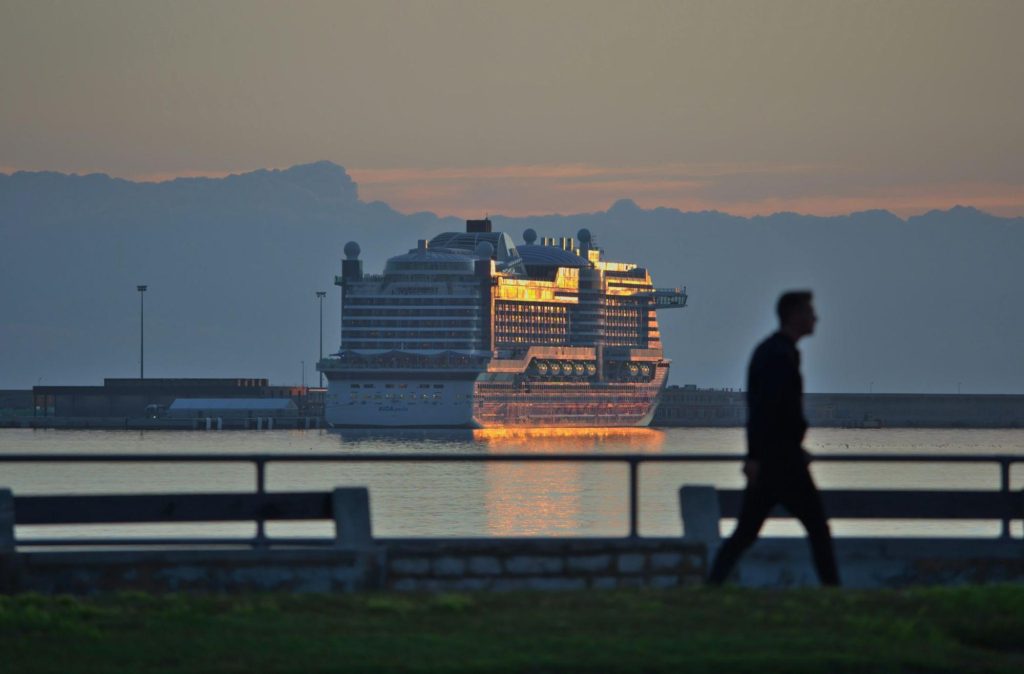
Ferries are not essential for moving around Mallorca itself, but they play a role if you plan to connect with other Balearic islands or mainland Spain. Unlike some archipelagos, most trips within Mallorca happen by road rather than boat, so ferries are mainly relevant for arrival, departure, or island hopping.
Most Common Routes
The busiest ferry routes connect Mallorca with Barcelona, Valencia, and Dénia on the mainland, as well as nearby islands like Menorca and Ibiza. Palma and Alcúdia are the main ports, with Palma handling most long-distance crossings and Alcúdia offering shorter routes toward Menorca.
Booking and Timing
Booking ahead is important in summer, especially if you want a cabin or plan to bring a vehicle. Vehicle spaces can sell out quickly in July and August, while foot passenger tickets are usually easier to find. Outside peak season, prices and availability are more stable, and last-minute bookings are often possible.
Travelling With a Car
Ferries allow vehicle transport, which can be useful if you are continuing a road trip across Spain or hopping between islands. However, many travellers prefer renting a car locally instead of bringing one, since rental availability in Mallorca is strong and transporting a vehicle adds cost.
Weather and Backup Plans
Sea conditions can occasionally affect ferry schedules, particularly during windy periods in spring and autumn. Major routes are generally reliable, but delays do happen. If you are connecting a ferry with a flight or tight hotel check-in, leaving buffer time helps avoid unnecessary stress.
Mountains and Seasonality
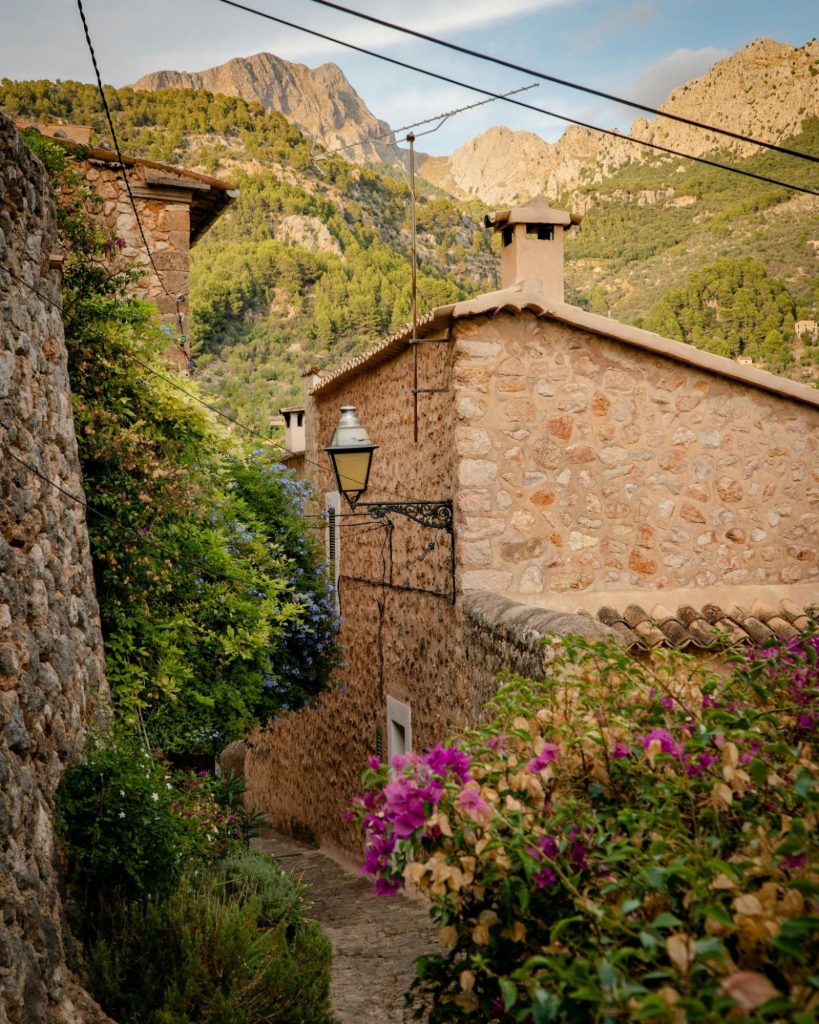
Mallorca’s transport rhythm changes noticeably in the Serra de Tramuntana, the mountain range that runs along the northwest coast. Even though distances are short, travel here takes longer due to narrow roads, steep climbs, and limited direct connections. This is one of the few parts of the island where terrain genuinely shapes logistics.
Roads, Access, and Driving Reality
Mountain routes between Valldemossa, Deià, Sóller, and Sa Calobra are scenic but slow. Roads are paved and well maintained, yet they include tight curves, elevation changes, and limited overtaking space. Driving times are often longer than maps suggest, especially in summer when traffic builds on popular viewpoints and coastal roads.
Public Transport in the Tramuntana
Buses do run through parts of the mountains, particularly between Palma, Valldemossa, Deià, and Sóller, but schedules are less frequent than on the plains. Some routes operate more actively in peak season and thin out in winter. The historic wooden train from Palma to Sóller and the Sóller tram to Port de Sóller are popular scenic options rather than everyday transport.
Seasonal Differences
Summer offers the widest access, with full bus schedules and easier road conditions. Spring and autumn are often ideal for exploring due to milder weather and lighter traffic. Winter remains accessible but quieter, with reduced public transport frequency and occasional weather-related slowdowns in higher elevations.
Why Timing Matters
In the mountains, timing can affect the entire day’s logistics. Parking near viewpoints and trailheads fills early, and late arrivals can mean long walks from overflow areas. Checking bus schedules and planning earlier departures helps make the most of the region without unnecessary delays.
What Travel Looks Like in Practice
Real transport choices in Mallorca depend heavily on how long you stay and whether you plan to move around or stay local. These examples show how different travel styles affect time, costs, and logistics across the island.
3–4 Days Without a Car
Who it fits
- Short breaks
- City-focused trips
- Non-drivers
Base structure
One base, usually Palma
Transfer logic
Airport bus into Palma, local buses or trains for day trips
Time reality
Palma to Sóller takes about an hour by train, while beaches near Illetas or Cala Major are reachable by local bus in under 30 minutes.
Highest cost factor
Central accommodation
How to save
Stay slightly outside the historic centre and plan day trips using early departures.
5–7 Day Balanced Trip
Who it fits
- First-time visitors wanting variety
- Couples or relaxed itineraries
Base structure
One main base or two nearby bases
Transfer logic
Rental car for part of the trip or organised day tours
Time reality
Driving from Palma to Alcúdia takes around an hour, while the Tramuntana coast can take longer due to winding roads.
Highest cost factor
Car rental in peak season
How to save
Rent a car for only part of the stay and book early for summer travel.
Week-Long Coastal Exploration
Who it fits
- Beach-focused travellers
- Families or slow travel styles
Base structure
Two bases, often north plus east coast
Transfer logic
Car rental for flexible beach hopping
Time reality
Distances between major coastal zones are manageable, but small coves often require extra driving on local roads.
Highest cost factor
Accommodation in high-demand beach towns
How to save
Travel in shoulder season and base yourself slightly inland.
10-Day Full Island Loop
Who it fits
- Return visitors or slower travellers
- Those wanting both coast and mountains
Base structure
Two to three bases across different regions
Transfer logic
Rental car throughout the trip
Time reality
A full island loop is realistic without long drives, but mountain sections naturally slow the pace.
Highest cost factor
Multi-base accommodation and summer car hire
How to save
Mix inland stays with coastal nights and avoid changing bases too often.
Useful Apps and What to Check Before You Go
A few simple tools make getting around Mallorca much easier, especially if you plan to combine buses, driving, and occasional scenic routes. Because transport is split between regional operators and seasonal schedules, knowing where to check updates saves time on the ground.

Maps and Navigation
Google Maps works well across Mallorca for driving, buses, and walking routes. It is especially useful for estimating travel times between regions, though mountain routes may still take longer than predicted. If you plan to explore remote beaches or the Tramuntana, downloading offline maps helps in areas with weaker signal.
Transport Schedules
For buses, the most reliable source is the official TIB (Transport de les Illes Balears) website and app, which provide real-time routes, fares, and stop locations. Palma’s EMT buses have a separate network and app, mainly useful for city travel and airport transfers. Checking the correct operator matters, as the systems are not fully integrated.
Tickets and Planning
Many intercity buses support contactless payment or transport cards, while trains and scenic routes like the Palma–Sóller railway can be booked in advance online. If you plan to take a ferry, Ferryhopper is one of the easiest ways to compare routes, schedules, and operators in one place. Screenshots of tickets are useful when signal drops in rural areas.
Official Updates and Local Sources
Weather and seasonal changes can affect travel more than expected, particularly in mountain areas and during ferry crossings. Official transport sites, port authorities, and local tourist offices usually provide the most accurate short-term updates. Checking schedules a day before longer trips helps avoid surprises, especially outside peak season.
Making Mallorca Easy to Navigate
Getting around Mallorca becomes much easier once you match transport to how the island actually works. Palma is well connected and easy to explore without a car, but beyond the capital, routes become more fragmented. Beaches, mountain villages, and scenic coastal areas often sit outside direct public transport lines, which is why logistics can feel uneven across the island.
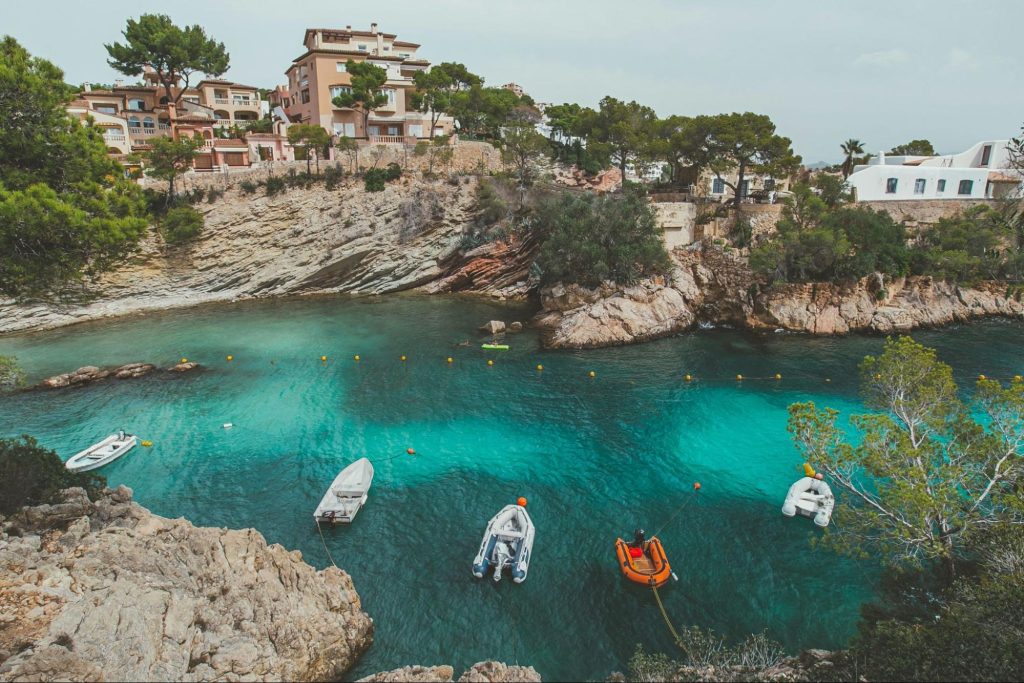
For short stays or city breaks, buses, trains, and organised excursions can cover the essentials without much planning. If your trip includes multiple regions, hidden coves, or the Serra de Tramuntana, flexibility starts to matter more, and having a car can save significant time. Many travellers find that a hybrid approach works best, combining public transport in Palma with driving for regional exploration.
There is no single best way to get around Mallorca for every itinerary. The most practical plans adapt transport to the route rather than relying on one option throughout the trip. When transport choices reflect the island’s layout, moving between beaches, towns, and viewpoints feels far more relaxed and intuitive.