What Souvenirs to Buy in Lisbon

Lisbon is a city where souvenirs are sold literally on every corner — from kiosks near Tram 28 to little shops in Baixa and along the waterfront. And that’s where the main problem starts: in a big tourist hotspot it’s easy to buy something that looks nice but is basically just “a suitcase filler” — overpay for mass-produced junk, stumble into some questionable “designer” item, or pick up ceramics that crack on the way home.
Souvenirs people actually bring back from Lisbon usually fall into a few real categories: food and drinks, traditional crafts, local design, and museum merch. But the key here isn’t the list — it’s the practical stuff: where to shop without tourist traps, how to tell quality from imitation, and what you can grab fast on your last day. Plus, packing and transport rules: what’s better in carry-on vs checked luggage, how to prevent leaks, and how to get fragile items home without stress — saving time, money, and nerves.
What to Buy in Lisbon So You Don’t Miss the Mark
- Edible souvenir: Portuguese tinned fish (sardines / tuna / cod) in nice packaging.
- Best thing (craft / design): azulejo-style ceramics (not imitation “souvenir tiles,” but a proper workshop or a design store).
- Gift for colleagues: a mini set of tinned fish (small, light, and “straight to the point”).
- Budget souvenir: a postcard / mini print from a local illustrator with a Lisbon theme (tram, waterfront, neighborhoods).
- What to buy on the last day (city center / airport): packaged tinned fish (easy to grab on the go and safe to bring home).
- What’s better not to buy: questionable “branded” items and pseudo-design from touristy streets.
Top Lisbon Souvenirs That Are Actually Worth Bringing Home
1. “Portuguese-style” tinned fish (sardines, tuna, cod)
The city’s most recognizable food souvenir — compact, keeps for a long time, and looks “not like a random purchase.”
Approx. price: low–mid (gift sets: mid).
Where to buy: Mundo Fantástico da Sardinha Portuguesa — has locations in the city and at Lisbon Airport.
How to pack: best in checked luggage (cans are heavy; carry-on rules can be tricky depending on security control).
2. Cork accessories (wallet / cover / case)
Cork is one of the most “Portuguese” materials, and accessories made from it are light and practical.
Approx. price: mid.
Where to buy: CORK & CO
How to pack: carry-on is fine; avoid “too cheap” items — they often end up looking like plastic.
3. Ginjinha (cherry liqueur) — a bottle as a gift
A local classic many people remember from the tiny “standing” bars in the center.
Approx. price: mid.
Where to buy: A Ginjinha Espinheira.
How to pack: checked luggage only (liquids), in a sealed bag + placed in the middle of your suitcase.
4. Portuguese soap and “pretty little things” in retro packaging
Looks like a neat “gift with a story,” takes up almost no space, and usually doesn’t disappoint in quality.
Approx. price: low–mid.
Where to buy: A Vida Portuguesa (same locations around the city).
How to pack: carry-on; if it’s a liquid, check volume limits — solid is easier.
5. Museum merch “about Lisbon” (books, postcards, quality small items)
Museum shops are one of the safest ways to buy something with good design and no fakes — often tied to the city (history, architecture, local culture).
Approx. price: low–high (depends on the edition and the item).
Where to buy: Loja do Museu de Lisboa — the official shop of the Lisbon Museum (really “about the city,” not generic Portugal).
Unique Lisbon Souvenirs — Things with Character
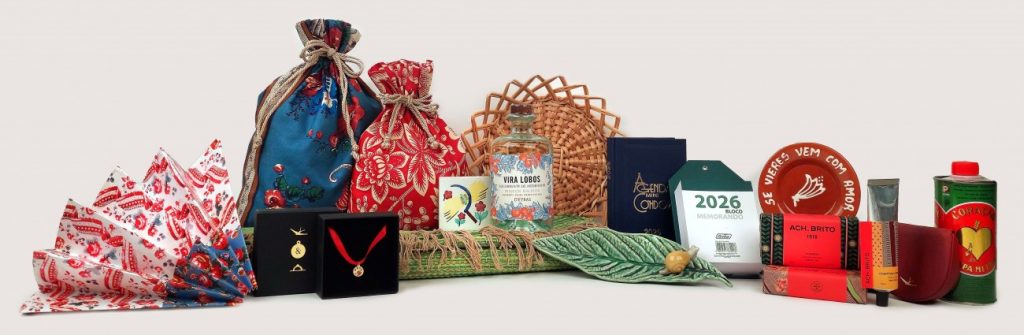
Artist prints & limited-edition graphics from Underdogs — if you want to take Lisbon home in a more modern way: posters, art editions, pieces by artists (not tourist kitsch).
Where to get it: Underdogs Gallery
Portuguese things “like back in the day, but done beautifully” from A Vida Portuguesa — the best move here is to skip the obvious stuff and pick neat local items in perfect packaging (soap, small home goods, little food gifts).
Where to get it: A Vida Portuguesa (Chiado / Intendente / Mercado da Ribeira)
A “creative district” instead of a souvenir street: LX Factory — a place where it’s easier to find local brands and unusual small items, not the same tourist shops everywhere.
Where to get it: LX Factory
Gloves as a “souvenir with a story” (Luvaria Ulisses, Chiado)
If you want something with a wow effect: this is a tiny legendary shop, and buying there feels almost like a ritual. Classic leather gloves (a neutral color is best — a “no-risk” gift).
Where to get it: Luvaria Ulisses
Food People Actually Bring Back from Lisbon
Tinned fish (sardines / tuna / cod). If you’re picking one “can’t-miss” food souvenir from Lisbon, this is it: compact, long-lasting, and it looks like a proper gift — not a random supermarket grab. It’s easier in checked luggage: the cans are heavy, but basically indestructible.
Bacalhau (salted cod) vacuum-packed. This isn’t just fish — it’s a Portuguese staple that reads as truly local. A simple traveler trick: go for the vacuum-sealed version with clear labeling from the deli/grocery section — it’s easier to find factory packaging and you don’t have to guess how it’ll survive the flight. Best in checked luggage, and just in case, put it into an extra bag.
Pastéis de nata (if your trip home is short). Yes, it’s the Lisbon taste — but honestly, it’s a “today/tomorrow” souvenir, not something you stash and forget. If you’re leaving soon, don’t bother with sketchy “tourist” boxes. Carry them in your hand luggage — you’re less likely to end up with a box of crumbs.
Ginjinha (cherry liqueur). A Lisbon classic many people first try “at the counter,” then realize a small bottle makes a great gift. On the plane, it goes in checked luggage only: seal liquids in a leak-proof bag and pack it in the middle of your suitcase.
Drinks from Lisbon (and Nearby): What’s Actually Worth Bringing Home
Ginjinha (cherry liqueur). The most “Lisbon” option: lots of people try it right in the center, so a bottle easily turns into a souvenir with a clear story. Easy to store — like any liqueur: avoid overheating and keep the cap tightly closed. Best to pack it in checked luggage: wrap it in a leak-proof bag, then cushion it with clothes (so it won’t leak or break).
Moscatel de Setúbal (Muscat from Setúbal). This region is close to Lisbon, so it feels local, but not basic. Flavor-wise it’s usually sweet and aromatic — great for people who don’t like dry wines. Store it cool; don’t leave it in heat for long. Pack it in checked luggage like glass: leak-proof bag + a soft “pillow” of clothing.
Carcavelos (fortified wine from near Lisbon). A rare, very place-specific souvenir if you want something less obvious: not the usual “everyone buys port,” but a local fortified tradition. Store it like fortified wine — away from sun and big temperature swings. Pack it in checked luggage only, with proper bottle protection.
Vinho Verde (“green” wine). Not tied to one city, but it’s a recognizable Portuguese classic that people often grab as a light, easy souvenir: simple, fresh, “summer” wine. Store it cooler, especially if it’s slightly sparkling. Pack it in checked luggage; if you’re worried about pressure or bumps, choose a bottle with a solid cork/cap and pack it like something fragile.
Mini rules for liquids and duty free
- In carry-on, airport security usually allows only containers up to 100 ml, inside a clear bag — so wine/liqueurs are almost always checked luggage.
- If you buy in duty free after security, you can take larger volumes onboard, but connections can get tricky: keep the receipt and don’t open the sealed bag until you’re done traveling.
- The safest way to pack glass: leak-proof bag + a “cocoon” of clothes + the middle of the suitcase, not right against the outer wall.
What to Pick So It Looks “Legit”
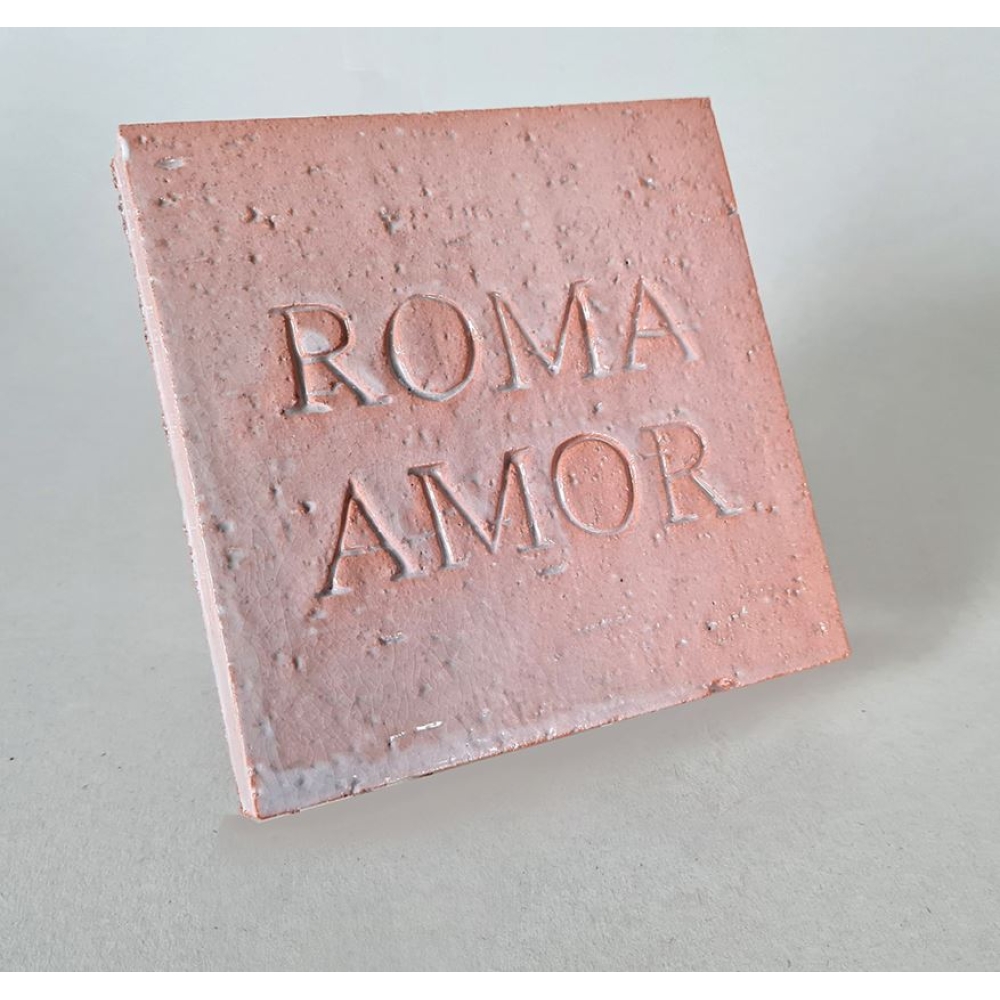
Ceramics with real Portuguese character (not just azulejo). In Lisbon it’s easy to find ceramics “in the style,” but genuinely good pieces usually come from dedicated ceramic shops, brand showrooms, or design stores — where you can actually see the quality of the glaze and the shape. In tourist shops, ceramics can look great on a shelf, but disappoint at home fast: thin, uneven paintwork, or weak packaging.
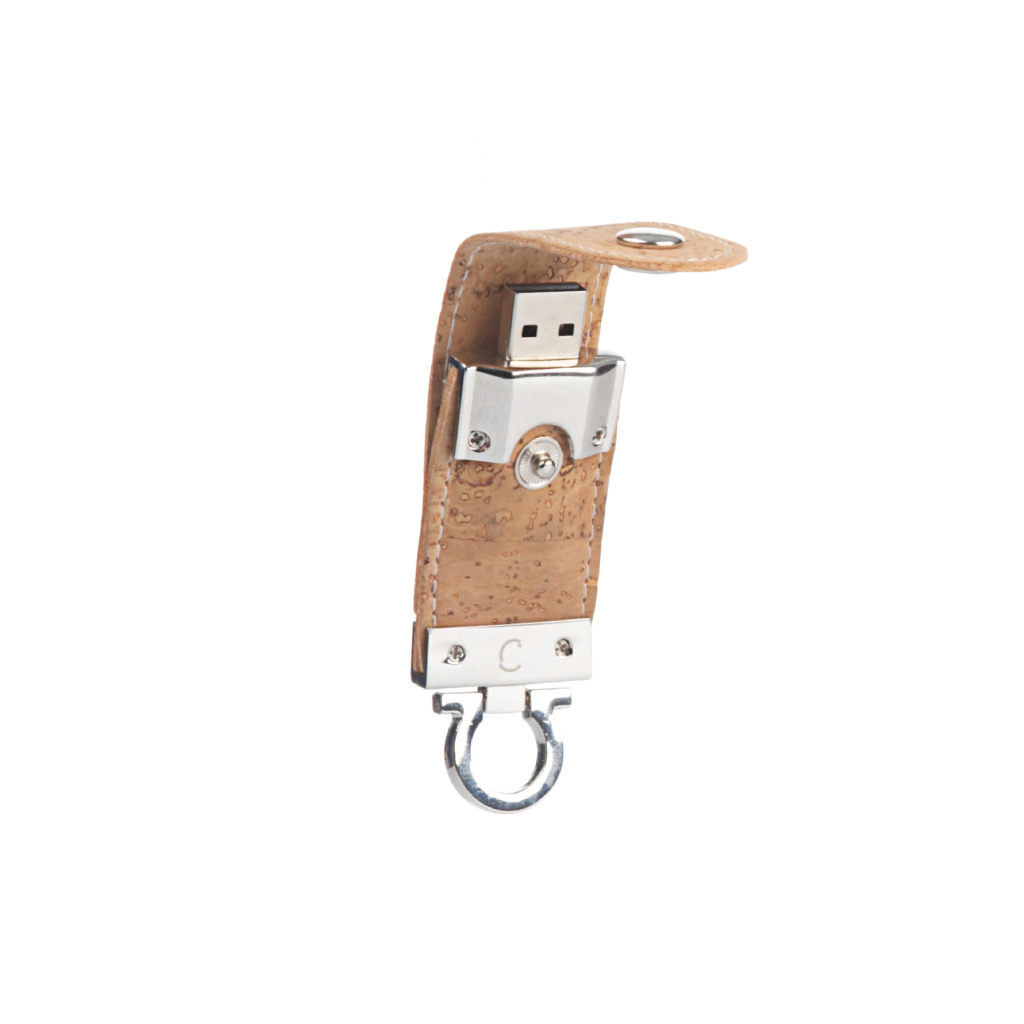
Cork accessories that look properly made. Cork is a very Portuguese thing, and it works perfectly for souvenirs: wallets, covers, cases, small bags. The key is not buying from a random street stand, but from local brand shops or concept stores where the item has clear labeling, a known maker, and neat hardware — otherwise cork quickly turns into that “cheap plastic” feel.
Modern prints and editioned graphics instead of a basic postcard. If you want to take Lisbon home as something more than a magnet, look at posters, illustrations, and limited prints by local artists. The best places to find them are gallery shops, art spaces, bookstores with independent publishing sections, or designer fairs — you’re far more likely to get something that feels like interior decor, not a tourist picture.
Museum design with no fakes. When you need a “cultural” souvenir and don’t want to gamble, museum shops are one of the safest options. They usually sell books, posters, notebooks, small home items, and products tied to local architecture, art, and history. Bonus: above-average quality, and a much lower chance of running into pseudo-designer junk.
How to Tell It’s Not a Cheap Imitation
- A too-low price for “craft” is the biggest red flag: handmade work rarely costs like a fridge magnet.
- Look for proper labeling: brand/maker, place of production, materials, a real tag or box.
- Ceramics/tiles: check for chips, cracks, thickness, glaze quality; ask for rigid protective packaging.
- Cork: it should feel dense and even, not “rubbery”; stitching should be clean, hardware shouldn’t look toy-like.
- Posters/prints: best when there’s info about the artist/edition, not just “a picture of Lisbon.”
Skincare & Cosmetics
Benamôr (Lisbon, 1925) is the most “city-linked” option: a brand born in Lisbon, known for recognizable creams and soaps in retro packaging. If you want one item that clearly ties to the place, a hand cream or a classic soap is a safe pick (lightweight and they travel well).
Soap in vintage packaging (Claus Porto / Ach. Brito) — for when you want a gift that “looks expensive” but takes up almost no space. Claus Porto’s strong point is its signature soaps with beautiful packaging (they’re often positioned as a handmade/heritage story). Ach. Brito has the very recognizable Musgo line (a classic with history — works well as a “more masculine” souvenir).
How to pack: it’s best to choose solid products (soap / balm stick) — the easiest format for flying.
Home fragrances (Castelbel / Portus Cale) — if you’d rather bring something “nice for the house” instead of cosmetics: scented sachets, candles, mini diffusers. For Castelbel, this is a strong category — “body + home” with a gift-first focus.
How to pack: liquid diffusers go in checked luggage only, double-bagged; sachets/candles are easiest in carry-on.
What to check so you don’t buy junk (quick):
- INCI/ingredients, volume, brand, country of origin — all of it should be on the packaging (if it isn’t, skip it).
- Choose travel sizes or solid products: less risk of leaks and liquid limits.
- If it’s “too cheap for such a pretty box,” it’s often souvenir cosmetics that’s all packaging and no substance.
What to Buy in Lisbon for Different People: Quick Ideas, No Overthinking
Gifts for family
- Portuguese-style ceramics (a bowl, plate, small vase) — a “for the home” item that actually gets used, not something that just gathers dust.
- A set of good tinned fish — a universal option everyone understands, no explanation needed.
- Small cork items (wallet, document cover, phone case) — practical, lightweight, and very much “Portugal.”
For friends
- Ginjinha in a small bottle — a souvenir with a story: “I tried this in Lisbon.”
- A poster/print by local illustrators — feels like an art purchase, not a souvenir.
- Flor de sal / fish seasonings — a small, useful gift that’s genuinely “to the point.”
For colleagues
- Postcards/mini prints with Lisbon scenes — budget-friendly, but still aesthetic.
- A small soap in nice packaging — a “no-risk” gift that takes up almost no space.
- Cork keychains/covers — if you need something compact and “office-appropriate.”
For kids
- A children’s book / illustrated album about the city / ships / the ocean (light, safe, not bulky).
- A soft cork item (like a small wallet/pencil case) — not breakable and easy for travel.
- Boxed sweets without creams or “super-delicate” fillings (so nothing melts or leaks).
Where to Buy Souvenirs in Lisbon Without Ending Up with Cheap Tourist Stuff
Museum shops: cultural souvenirs with no fakes
When you want a “smarter” gift — books, posters, notebooks, stylish little home items — museum shops almost always beat tourist souvenir stores. First, you rarely see outright cheap knockoffs there. Second, the items are usually tied to local architecture, history, and art, so they feel “about Lisbon,” not “about vacation in general.”
Design shops & local brands: the best way to find something unique
If you want to bring home something genuinely non-standard, look for concept stores, local brand shops, gallery stores, and art spaces. It’s easier to find prints, ceramics, cork accessories, and unusual home gifts there — and it often looks more expensive than it actually is. These places are often not on the main tourist strip, but in more creative neighborhoods — exactly where you should go if you want to escape the “magnet shop” vibe.
Tourist streets & souvenir shops: a risk zone, but they can save you
On Lisbon’s busiest streets, there are lots of souvenir shops — and some sell the same “city-themed” stuff on repeat: identical tiles, identical bags, “branded” belts and sunglasses of questionable origin. If you do buy there, stick to things that are hard to mess up and easy to check: postcards, inexpensive packaging, simple small items. Anything “designer” or “branded” is better avoided.
If you’re short on time: 2 quick scenarios
Need 3-5 gifts in 15 minutes: go to a shop that curates Portuguese brands and ready-to-gift items — it’s the easiest way to grab soap, small home goods, nice packaging, and small food gifts without overthinking.
Need one “spot-on” souvenir: either pick a gift set of tinned fish / a food gift from a specialized shop, or a poster/notebook from a museum shop — these are two of the safest formats, and they rarely look cheap.
How to Choose Souvenirs in Lisbon and Not Buy Junk: 5 Key Rules
- If it’s “too cheap” for craft/design, it’s almost always an imitation. If something looks handmade but costs like a fridge magnet, it’s probably cheap material with weak finishing.
- Check labeling and origin. A legit product doesn’t hide the brand/workshop, materials, or country of production; no tag and vague answers from the seller are a bad sign.
- Skip questionable “branded” items and copies. Tourist areas are full of pseudo-Gucci/LV and “designer” fakes — the quality is poor, and it can also mean trouble at the border.
- Choose ceramics/tiles like someone who has to pack a suitcase. Look for chips and cracks, check the thickness, and ask for rigid packaging — if there’s no box and protection, it’s better to pass on fragile items.
- Food — only in sealed factory packaging. Check the expiration date, intact lids/seams, and proper labels; anything that can smell or leak is worth putting into an extra bag.
How to Pack and Bring Your Souvenirs Home
- Fragile (ceramics/tiles/glass): ask for a rigid box, wrap it in clothing, and secure it so it doesn’t rattle. Keep it away from heavy items.
- Liquids (ginjinha/wine/oil): checked luggage only. The simple setup: zip bag → second bag → a “cocoon” of clothes → into the middle of the suitcase.
- Food: anything that can smell or leak goes into an extra bag. Fragile sweets — on top or in your carry-on. Salt/spices — into a zip bag so nothing spills.
- Heavy items (tinned fish): easier in checked luggage, spread across the suitcase so the weight doesn’t pull to one side.
What You Can’t (or Really Shouldn’t) Bring Back from Lisbon
- Perishables without proper packaging. “Eat it now” desserts, products without factory labeling, and anything that needs refrigeration can spoil easily on the way and may cause issues at security/customs.
- Liquids without leak protection. Wine, liqueurs, olive oil — only if you’re ready to pack them airtight; otherwise you risk ruining your entire suitcase.
- Plants, seeds, and “natural” products without documents. Many countries have import restrictions, so it’s better not to experiment if you’re not sure.
- Brand copies and questionable “designer” items. That’s not a souvenir — it’s a potential problem: low quality and possible questions about counterfeit goods.
- Antiques and art objects without proof. If something looks old or the seller calls it an “antique,” it’s safer to check export rules and whether documents are provided.
Final: What to Pick If You Don’t Want to Overthink It

If you need a universal gift, go for tinned fish in nice packaging or a small soap / well-designed little item — it’s safe, compact, and rarely disappoints. For a budget souvenir, the best options are postcards/mini prints or salt/seasonings — light, practical, and low-risk for travel. And the “best for yourself,” so it doesn’t end up just sitting on a shelf but stays in your actual life, is ceramics with real Lisbon character or a book/notebook from a historic bookstore — things that keep reminding you of the city.